

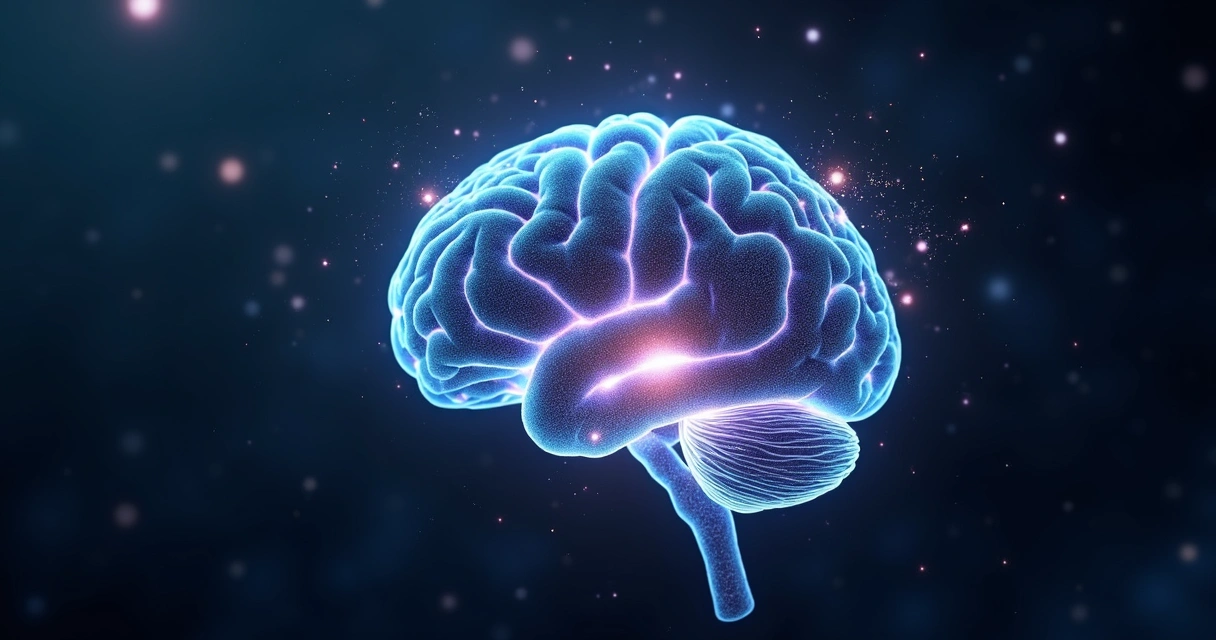
Consciousness remains one of the most fascinating and puzzling subjects in science and philosophy. For centuries, thinkers have debated the question: What does it mean to be conscious? As science progresses, we are beginning to connect the dots between neurons, brain waves, subjective experience, and what it means to be aware. Recently, advances in neuroscience and psychology have illuminated how the brain generates the conscious mind.
The mind and brain co-create our lived experience, moment by moment.
In our work, we have seen how the search for the roots of consciousness is not just an academic quest—it carries practical consequences for personal growth, emotional maturity, leadership, and our understanding of what it means to be human. We’ll share what current science says about the neurobiology of consciousness, highlighting some recent findings and why this field matters for us all.
Defining consciousness through a scientific lens
Science seeks measurable definitions. But consciousness, by its nature, is personal and subjective. In the lab, researchers use working definitions: awareness of self and environment, the capacity for experience, and the ability to report one’s mental state. Neurobiology adds another layer, framing consciousness in terms of neural activity and connectivity patterns.
In neurobiology, consciousness is often described as the ability to form an internal picture of the world and oneself, made possible by dynamic interactions across specialized brain networks.
A 2024 review focusing on evolutionary aspects of consciousness describes how, across species, the evolution of the nervous system brought increasing levels of mental life—from basic reactivity to complex awareness involving self-reflection and planning (evolutionary concepts of consciousness).
Mapping the neural basis of consciousness
Where in the brain does consciousness live? This is a question we have asked in research and teaching for years, and it does not have a single answer. Instead, several brain regions and networks work together to sustain consciousness.
- Thalamocortical loops: These connections between the thalamus and the cerebral cortex play a central role in integrating sensory information and forming conscious experience.
- Default Mode Network (DMN): This network, active during rest and self-reflection, is associated with the sense of self.
- Frontoparietal network: Often involved in attention, working memory, and voluntary control, this network coordinates conscious access and decision-making.
Neuroscientific research often investigates patterns of electrical activity in the brain. For example, a 2024 study using resting-state EEG found that specific brainwave frequencies—alpha and delta—help indicate different states of consciousness (neural signatures of consciousness). When people enter states of minimal awareness or lose consciousness, the connectivity between brain regions changes dramatically.
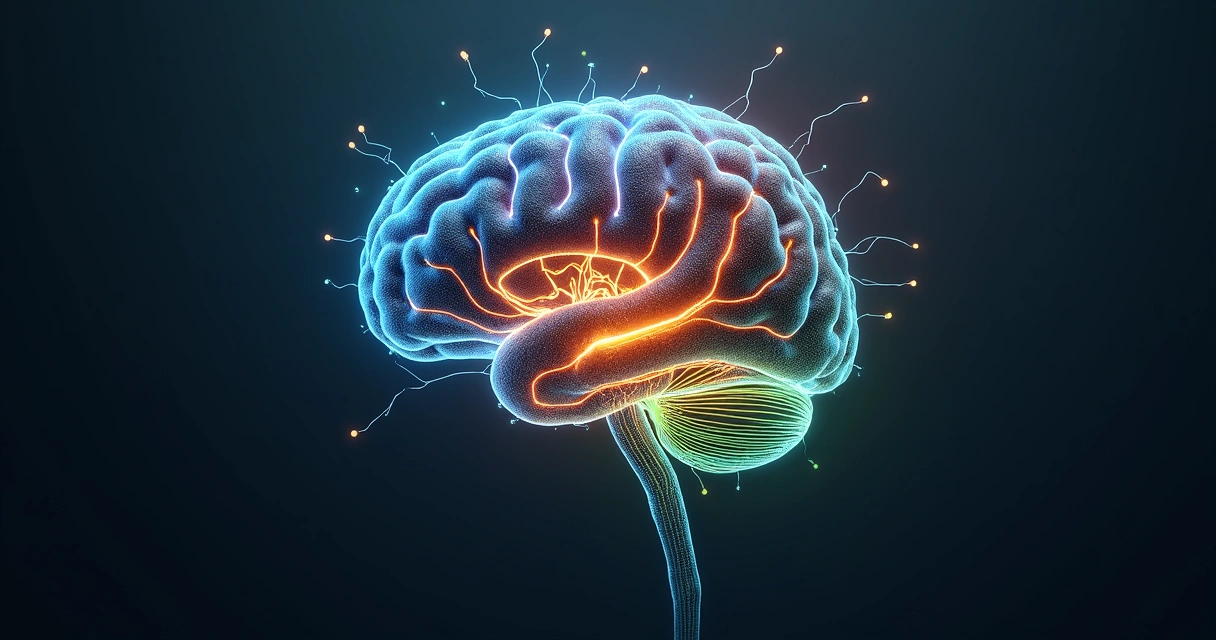
These findings not only help clarify how consciousness arises, but they also offer practical tools for measuring awareness in clinical settings—like distinguishing between different states following brain injury or under anesthesia (systematic review and meta-analysis).
Measuring consciousness: Scientific approaches
Measuring consciousness itself is a challenge. None of us can directly see or touch another’s awareness. However, science has made progress with repeatable procedures. Here are a few main types:
- Self-report: Participants answer questions or perform tasks that require conscious experience.
- Behavioral responses: Observing whether someone can follow instructions or respond to new situations.
- Neuroimaging: Tools like fMRI, EEG, and PET help us spot patterns and changes in brain activity linked to awareness.
In clinical research, these tests can reveal “covert consciousness”—hidden but preserved awareness in patients who appear unresponsive. We have seen clear evidence for this in meta-analyses that synthesize hundreds of cases, demonstrating that even in low responsiveness, some patches of awareness may remain (preserved consciousness in vegetative and minimally conscious states).
Consciousness can persist even when outward signs disappear.
Major scientific theories about consciousness
No single theory fully explains consciousness, but science has made headway. Among the leading models discussed in the Stanford Encyclopedia of Philosophy are:
- Global Workspace Theory: Consciousness arises when information is globally available across multiple brain processes, like a spotlight in a theater open to all.
- Integrated Information Theory (IIT): The level of consciousness in a system relates to how much information it integrates as a whole, not just the sum of its parts.
- Recurrent Processing Theory: Sensory input becomes conscious when it is processed in ongoing loops between higher and lower brain areas.
Each theory tries to explain not only how we are aware, but also why some forms of processing are conscious and others are not.
Consciousness, evolution, and the meaning of awareness
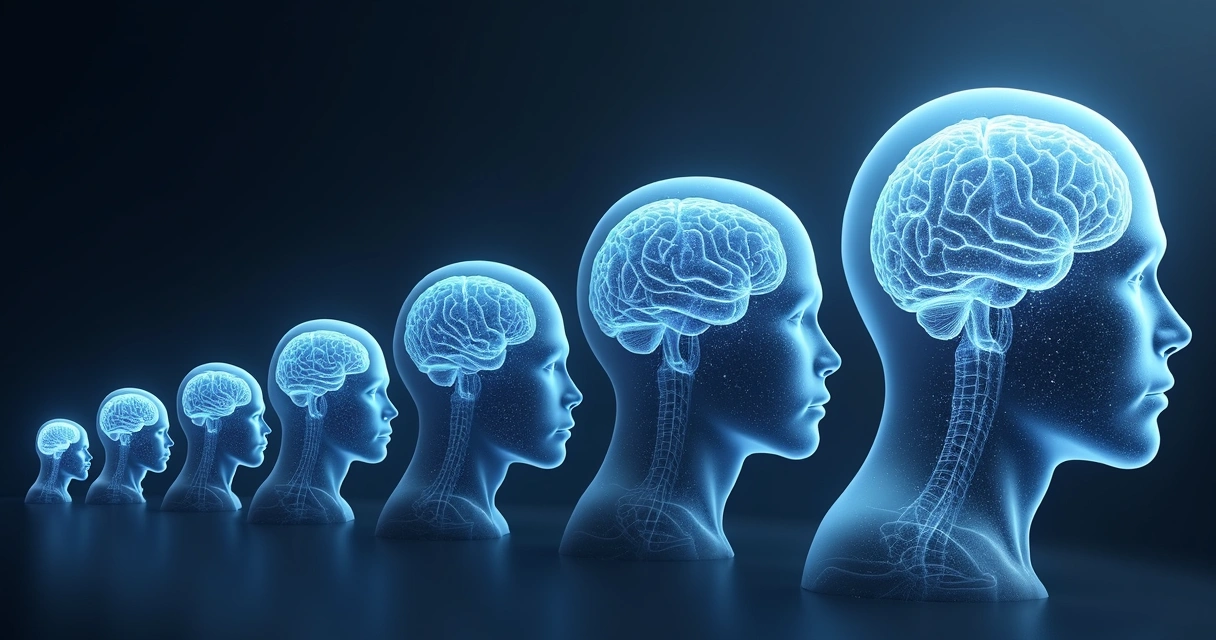
Recent research makes it clear that consciousness exists on a spectrum, both across human life and between species (development of the nervous system and mental life). In animals, we see simple levels of awareness in reptiles and birds; in primates and people, we find self-reflection, intentionality, and complex emotions.
Our evolution as humans brought added layers to our awareness. Memory, imagination, empathy, and language supported a richer internal life. Some scientists even argue that consciousness is an adaptive trait, supporting planning, creativity, and cultural learning.
Studies on near-death experiences add another layer. For example, research from cardiac arrest survivors shows that about 10% report positive psychological effects, and 40% recall some awareness during the event—even without detailed memories. This challenges our assumptions about where and when consciousness “switches off.”
Applications: Why the science of consciousness matters
Understanding consciousness isn’t just a theoretical quest. It affects how we approach trauma, recovery, education, and leadership. If we see consciousness as both brain-based and potentially fluid, new avenues for growth and healing open up.
Advances in neurobiology, such as those summarized on our detailed overview page on consciousness and neuroscience, suggest that targeted training, meditation, and mindful practices can reshape conscious awareness over time.
Similarly, the science of consciousness offers practical methods for assessing and expanding mental clarity, emotional balance, and resilience.
Consciousness is a bridge between biology and experience, between what you feel and what you are.
Conclusion
The neurobiology of consciousness is a field that is growing faster than ever. Brain imaging, neural oscillations, and clinical research are finally bringing us closer to answering a question as old as humanity itself: What is it, truly, to be aware? The latest studies underline a deep truth—consciousness is not located in one place, but emerges from dynamic networks, shaped by evolution and experience. Science is starting to illuminate the shadows, but the wonder and mystery remain.
We believe that this knowledge offers keys for anyone seeking well-being, inner growth, or a greater sense of meaning. As we learn more about the neural basis of awareness, we are discovering how to encourage healthier, more compassionate, and more conscious ways of living.
Frequently asked questions
What is consciousness in neurobiology?
In neurobiology, consciousness is usually defined as the state or quality of being aware of and able to report one’s environment, thoughts, and self. It is seen as a product of dynamic interactions between different parts of the brain, especially networks connecting the cortex, thalamus, and brainstem. This awareness allows us to form mental images, make choices, and reflect on our own existence.
How does the brain create consciousness?
The brain creates consciousness through coordinated activity among specialized brain networks that integrate sensory information and internal signals. Evidence points to the thalamocortical system, default mode network, and frontoparietal network working together to generate the unity and continuity of subjective experience. Communication between these regions happens through complex patterns of electrical activity, as seen in studies monitoring brainwaves and functional connections.
What are main theories of consciousness?
The main theories in science include Global Workspace Theory, Integrated Information Theory, and Recurrent Processing Theory. Each offers a different perspective. Global Workspace Theory suggests consciousness is a broadcast system in the brain, making certain information widely available. Integrated Information Theory focuses on the degree to which a system integrates information as a whole. Recurrent Processing Theory emphasizes ongoing feedback loops within the brain as essential for awareness. All these models are discussed and compared in overviews like the Stanford Encyclopedia of Philosophy’s entry on the neuroscience of consciousness.
Can consciousness be measured scientifically?
Yes, consciousness can be measured indirectly using self-report questionnaires, behavioral testing, and neuroimaging techniques such as EEG and fMRI. Science has also developed markers like changes in brainwave patterns and functional connectivity to distinguish different levels of awareness, even when a patient cannot move or speak. These methods are especially useful in clinical cases such as coma, anesthesia, or severe brain injury.
How does neurobiology study consciousness?
Neurobiology studies consciousness by observing and measuring brain activity during different states—wakefulness, sleep, anesthesia, and altered states. Researchers use imaging tools, brainwave recordings, and behavioral tasks to connect specific neural processes with reported experiences. Meta-analyses and large studies combine results to form a clearer picture. This scientific work helps clarify how self-awareness, sensory experience, and emotional states emerge from brain dynamics.