


We all want change in our lives—sometimes quietly, sometimes with urgency. But we often forget that human growth flourishes in community. No one transforms in isolation; the people, spaces, and connections around us play a role in our path to self-discovery and wholeness.
Decades of research and real-world stories tell us the same thing: community shapes how we think, feel, act, and become. The question is, how exactly does this happen? What are the core ways that being part of a community nudges us, molds us, and makes a difference in our personal growth?
Let’s walk through the six main impacts, connecting them with science, practical experience, and a touch of what we’ve lived ourselves. These are shifts that don’t simply stay in theory—they play out in our daily actions and choices.
Belonging: the psychological foundation for growth
At the heart of every person’s need is belonging—a sense that we fit somewhere, that we are accepted as we are. Community gives this, almost like emotional oxygen. When we feel seen and valued, we go further.
Belonging lays the groundwork for every other kind of growth.
According to studies from the University of California, Berkeley, individuals who regularly engage in activity-based communities report much higher social support and life satisfaction. Yet, only about 30% consistently take part in these community experiences—leaving most people without this solid base.
Being part of a group where we feel secure gives us the courage to risk change, learn, and even fail without fear. It’s easier to step outside your comfort zone when you know people have your back.
Feedback and perspective: mirrors and windows
When we’re alone, our views and judgments bounce around in a mental echo chamber. Community punctures that illusion and provides two things:
- Mirrors: People reflect back who we are—our habits, strengths, blind spots—allowing honest self-awareness. Honest words from others reveal things we cannot see on our own.
- Windows: Exposure to different stories and ideas expands our thinking. We see new possibilities, challenge old assumptions, and discover alternative ways to live and relate.
This exchange goes both ways. We offer feedback to others and grow from the feedback we receive. The right environment turns feedback into opportunity instead of threat.

In our experience, the communities that support growth the best are the ones where trust makes even the toughest feedback safe and useful.
Learning by example: modeling behavior and habits
Humans are natural imitators. We pick up attitudes, language, and habits—good and bad—from the groups we are a part of. This is not just true for children; adults do it, too. We are shaped by what we see practiced around us on a daily basis.
Positive role models in community show us what’s possible, often before we believe it’s possible for ourselves. It might be someone’s resilience, kindness, discipline, or creative courage—the lived example always has much more impact than abstract advice.
Whenever we see someone embody a trait or value we admire, our brain absorbs the lesson, and if we stick around, we begin to try those behaviors ourselves. Over time, shared practices become collective habits—and our own habits change almost without conscious effort.
Motivation and accountability: staying the course
Change is not a straight, easy line. There are moments when we feel stuck, lose interest, or question our abilities. Here, community gives us two powerful motivators:
- Encouragement: A kind word or subtle nudge from someone who believes in us can re-ignite our focus and carry us through resistance. When others cheer for our small wins, we are more likely to keep going.
- Accountability: Shared goals—or public commitments—make us more likely to follow through. It’s much harder to hide from ourselves when others are aware of our choices. Research echoes this: people with support networks stick with new habits much longer.
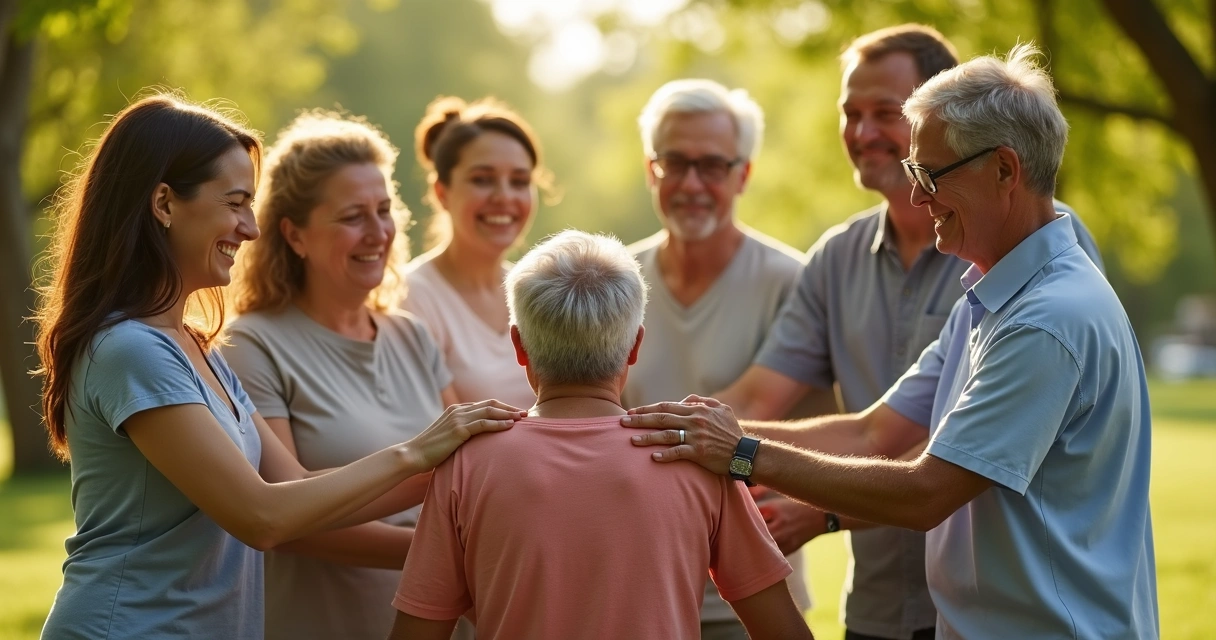
We’ve seen in communities we’ve worked with that these two forces—motivation and accountability—can double the staying power of people trying to build new skills or emotional habits.
Emotional support and resilience: weathering life’s storms
Life will bring stress, setbacks, and uncertainty. It is during these times that the strength of a supportive community stands out the most.
Studies consistently show that social ties buffer life’s difficulties and protect against depression and anxiety. There is a deep comfort in having someone to talk to, someone who listens without judgment, or even just shared silence.
The resilience we build in community is not about avoiding pain—it’s about not facing it alone. We learn together how to process emotions, ask for help, and heal.
For detailed guidance on building personal support systems, we recommend our dedicated personal growth guides.
Expanding possibilities: opportunities and new horizons
Being part of a diverse, active group increases the chances we’ll encounter something new—an idea, opportunity, or path we would never have considered by ourselves. This “expanding horizon” effect shows up in research on both personal and professional growth.
Communities connect us to resources, networks, workshops, and skill-building chances. Many pivotal opportunities in people’s lives come not from planned effort, but from being in the right place at the right time—connected to others who open doors we didn’t know existed.
People may discover new passions or careers simply through exposure to the experiences of others in their group. Diversity multiplies the range of possibilities available to us far more than individual effort could.
Collective meaning and purpose: growing beyond the self
True growth is not just about “me.” Community brings us into contact with shared values and collective purpose. This is transformative in itself.
We see this when a group comes together to volunteer, support a cause, or learn together. The shared act transcends individual gain, allowing us to feel part of something bigger than our daily routine.
This sense of meaning—belonging to a purpose-driven community—connects us with deeper values. It is a rich source of motivation and contentment. Studies consistently show that people with strong community ties feel a greater sense of meaning in their lives.
If you’d like to read more about the broader impact of community, from emotional support to social change, we suggest you look into our community impact resources.
Conclusion: Community as the silent architect of change
When we think of personal development, we tend to focus on habits, goals, and willpower. But community sits silently under all this—it is the invisible architect shaping what’s possible. When we find or build a supportive community, we access:
- Belonging that gives us the safety to grow
- Feedback and perspective to see ourselves clearly
- Models and habits that quietly shape our behavior
- Motivation and accountability to keep us on track
- Emotional support to get through hard times
- Fresh opportunities and collective meaning
Personal transformation isn’t just personal—it’s collective.
The richest growth happens when we connect and contribute. If you are seeking change, start by seeking community. The impact lasts far beyond what we can achieve alone.
Frequently asked questions about community and personal development
What is community in personal development?
Community in personal development refers to a group of people who come together to support, challenge, and inspire each other's personal growth. It goes beyond friendship or family—this is about sharing values, goals, and a commitment to each other's evolution. Communities may form through activity groups, learning circles, online forums, or shared interests, all with the purpose of helping members become their best selves.
How does community affect self-growth?
Community accelerates self-growth by providing feedback, social learning, accountability, and emotional safety. When surrounded by others on a similar journey, we are exposed to fresh perspectives, encouraged to keep going, and challenged to leave comfort zones. We develop skills faster and deepen emotional resilience because we are supported in real time instead of struggling alone.
Why join a supportive community?
Joining a supportive community helps people feel less isolated and increases motivation, learning speed, and emotional resilience. A good community acts as both a safety net and a springboard, catching us in tough moments and helping us reach higher. Human beings consistently thrive when connected to others who care about their growth and well-being.
Can community improve mental health?
Yes, strong community ties have been linked in many studies—including those by the University of California, Berkeley—to lower stress, reduced symptoms of depression and anxiety, and increased feelings of meaning and satisfaction. Simply put, feeling heard and supported protects mental wellness and encourages healthier ways of coping with life’s challenges.
How to find the right community?
Finding the right community means seeking out spaces that match your values, interests, and personal goals. Look for groups—online or offline—where you feel listened to, challenged, and inspired. Engage in activities you enjoy, join forums or learning circles, and trust your instincts about belonging. The best communities feel welcoming and help you grow, not diminish. Take small steps: attend events, participate, and see where authentic connections develop.