We all know the feeling. We pause for a moment, ask ourselves what is really going on inside, and get nothing but noise. Thoughts rush in. Emotions blur the picture. The answer feels near, but not clear.
In moments like this, people often ask whether meditation or reflection works better. We think the better question is simpler: what kind of inner access do we need right now?
Meditation helps us quiet the mind, while reflection helps us sort what the mind is showing us.
Both can open the door to insight. The real difference is pace and direction. Meditation usually softens inner pressure first. Reflection usually gives shape and language to what we feel. When we use them well, they stop competing and start working together.
Insight likes space.
In our experience, fast insight does not come from forcing a breakthrough. It comes from creating the right conditions for one. Below, we share five ways to do that without making the process heavy or abstract.
Start with stillness, not answers
Many people sit down to meditate and secretly demand a result. We have done it too. We want certainty in ten minutes. We want the confusion to end. Yet the first gift of meditation is rarely an answer. It is a calmer inner field.
If the nervous system is tense, insight gets distorted.
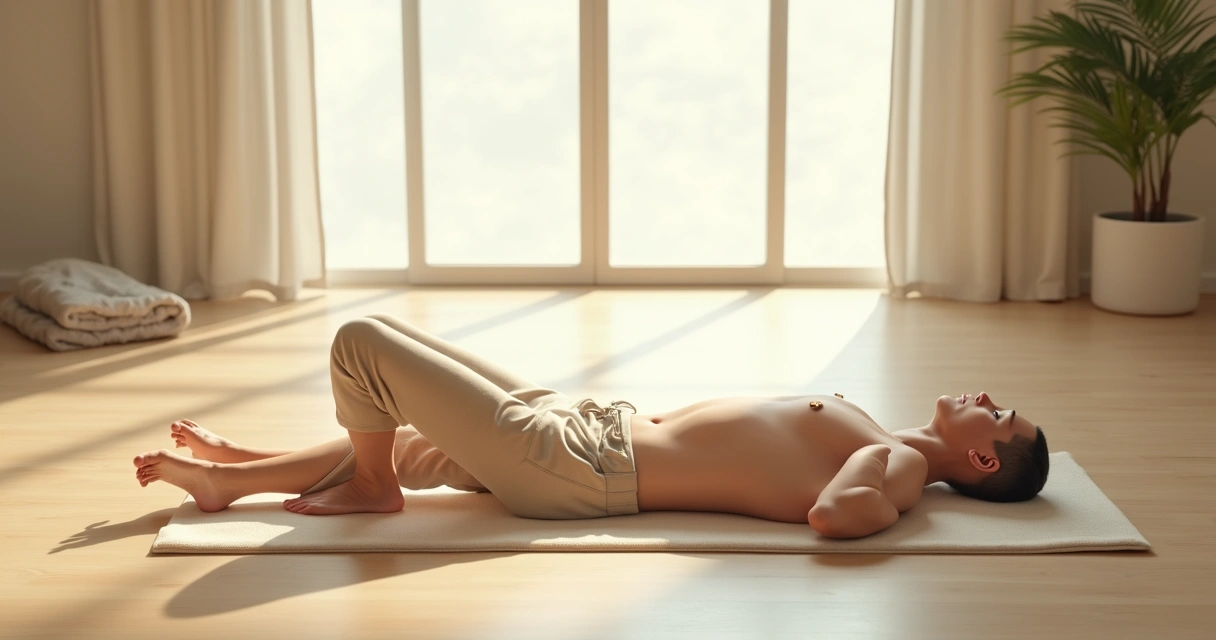
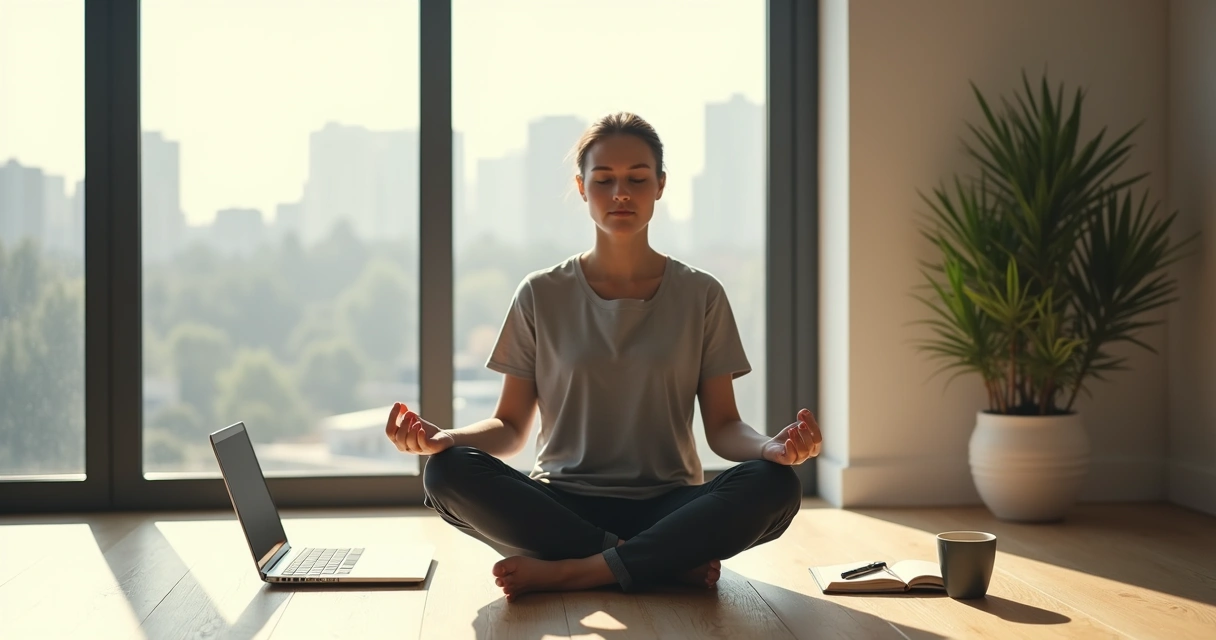
A short practice can help. Sit upright. Let your hands rest. Breathe in through the nose for four counts, then out for six. Repeat for three to five minutes. Do not chase meaning yet. Just make room.
This is where many insights begin, quietly. Not as a speech in the mind, but as a shift in pressure. The body softens. One thought stands out from the rest. A hidden feeling rises.
If you want a simple place to build this habit, our suggested meditation techniques can help create that mental space with less struggle.
There is also research that supports the value of reflective capacity once that space opens. In a study of 448 adults on emotional awareness and reflective cognition, general reflective thinking showed a strong link with emotional awareness. That tells us something practical. When we calm down enough to observe clearly, we are more likely to understand what we feel.
Use a single clean question
After stillness, the next step is not a long list of questions. It is one good question. Just one.
When the mind is crowded, too many prompts only create more movement. We have seen better results when people ask one direct question and stay with it for a few minutes.
Good examples include:
What am I avoiding right now?
What feeling is under this reaction?
What do I know already but do not want to admit?
What would bring me peace in this situation?
One client once came in saying she needed to make a career decision fast. She had pages of notes, advice from others, and intense mental fatigue. We asked her to stop and hold one question only: “What am I trying to protect?” Within minutes, her whole inner picture changed. The issue was not the job. It was fear of disappointing people she loved.
That is what a clean question can do. It cuts through performance and gets closer to truth.

Write before you think too much
Reflection works best when it becomes visible. If thoughts stay only in the mind, they tend to loop. Once they move onto paper, patterns become easier to see.
Writing slows mental chaos and turns vague feelings into something we can examine.
We suggest a short timed method:
Set a timer for seven minutes.
Write the question at the top of the page.
Keep writing without editing or correcting.
Underline any sentence that feels unexpectedly true.
This method is simple, but it works. Structured reflection has shown strong effects in learning and self-awareness. In a meta-analysis of 25 studies on reflective learning interventions, practices like journals and guided reflection showed a large positive effect on achievement and metacognitive ability. While that research focused on learning settings, the message carries over well: structure helps insight become usable.
For readers who want a few practical formats, these self-reflection methods can make the process feel less random and more honest.
Listen to the body for faster truth
Sometimes the mind says, “I am fine,” while the body says something else. Tight jaw. Heavy chest. Stomach tension. Shallow breath. Inner insight often appears first as sensation, not language.
We think this is where many people miss the message. They wait for a clever thought instead of noticing the body signal that came before it.
Try this for two minutes:
Close your eyes and scan from forehead to feet.
Name one area of tension.
Ask, “If this tension could speak, what would it say?”
Write down the first answer, even if it seems odd.
It may sound too simple. Yet simple methods often reveal what polished thinking hides. We have seen anger turn into grief. We have seen confusion turn into a clear no. The body often removes the delay.
The body tells the truth early.
Change state, then return
Not every answer comes while sitting still. At times, inner insight arrives after movement. A slow walk. A shower. Gentle stretching. Looking at the sky for five minutes without a phone in hand.
The key is not distraction. It is a state shift.
When we stay too long in one mental groove, thought becomes repetitive. A brief change in rhythm can loosen what is stuck. Then, when we return to the question, the answer may feel closer and less forced.
We suggest a short sequence:
Sit with your question for three minutes.
Step away and walk slowly for five minutes.
Return and write the first three insights that arise.
This works well because it gives both practices their place. Meditation clears. Reflection gathers. Movement resets. Together, they can shorten the path to clarity.
Conclusion
Meditation and reflection are not rivals. They are two forms of inner listening. One creates silence. The other gives language to what silence reveals.
If we want insight fast, we do not need to force depth. We need a method that lowers noise and sharpens attention. A few calm breaths, one honest question, a page of writing, body awareness, or a brief state change can be enough to shift the whole inner picture.
Fast insight usually comes from clear attention, not from mental pressure.
When practiced often, these five ways become more than techniques. They become a trusted path back to ourselves.
Frequently asked questions
What is the difference between meditation and reflection?
Meditation helps us quiet mental noise and observe without reacting at once. Reflection helps us think about experience, feelings, and choices in a more directed way. Meditation creates space. Reflection helps interpret what appears in that space.
How can I access inner insight fast?
We can access inner insight faster by reducing noise first, then asking one honest question. A few minutes of calm breathing, short journaling, body awareness, or a brief walk often brings clarity sooner than trying to force an answer.
What are quick ways to gain clarity?
Quick ways include breathing slowly for a few minutes, writing without editing, noticing body tension, asking one clean question, and changing physical state with a short walk. These methods help us see what is true beneath stress and mental repetition.
Is meditation or reflection more effective?
That depends on the moment. Meditation may work better when we feel overwhelmed, restless, or emotionally flooded. Reflection may work better when we already feel calm enough to think clearly. In many cases, using both together gives the best result.
How often should I practice these methods?
We suggest practicing in small, steady ways. Even ten minutes a day can help. A short daily rhythm builds familiarity with your inner signals, which makes insight easier to access when life becomes demanding.