Choosing the right meditation style often feels like finding a comfortable chair: it needs to suit your body, your mindset, and your current needs. With so many methods available, it is easy to find yourself wondering which meditation type best fits your goals. We believe that understanding some central differences can help you decide where to begin or what to refine.
Let’s look together at five essential distinctions across popular meditation styles. This guide is meant for those curious about self-discovery, emotional stability, personal evolution, or just a calmer mind in busy daily life.
The growing popularity of meditation
Interest in meditation has soared over the last decade. Research showed that, in 2022, 18.3% of U.S. adults practiced some form of meditation, with greater popularity among individuals aged 25 to 44 and those with higher education backgrounds. Women continue to represent a slight majority of practitioners, but the difference is narrowing. In fact, over 46 million U.S. adults used meditation in 2017, particularly among people experiencing chronic diseases, pain, or mental health struggles (analysis of trends from 2002 to 2022; factors associated with use of meditation).
The right meditation is the one you’ll return to, again and again.
With such high adoption, let’s clarify how meditation types differ. We see five main points that make the real difference when choosing a technique.
Difference 1: Focus of attention
All meditation asks us to pay attention—but what, precisely, are we focusing on? This is where approaches really split.
- Mindfulness meditation directs attention to the present moment, usually observing breathing, physical sensations, or thoughts as they arise. We watch without judging or trying to change anything.
- Concentration meditation asks for a sharper focus: maybe on a single word (a mantra), a candle, or the breath. Every time our attention slips, we bring it back.
- Guided visualization sessions lead us through imagined journeys, engaging our senses in mental scenes.
- Body scan techniques invite a systematic focus on areas of the body, noticing tension or comfort, sometimes used to promote sleep or stress relief.
- Spiritual or transcendental practices often seek connection with a higher reality, using prayers, mantras, or silence.
Each approach is valid; the difference lies in what you choose (or need) to pay attention to today. Studies have shown that preferences shift over time and with life’s demands (2012 U.S. survey results).
Difference 2: Technique—active vs. passive meditation
Some meditation is about doing (even gently), while other types are about being. We distinguish styles between more active and more passive methods.
- Active meditation includes practices like mindful walking, gentle yoga, or even chanting. You move, chant, or interact with your surroundings as part of the session.
- Passive meditation has you sitting or lying still. You watch your breath, observe sensation, or simply rest attention in awareness itself.
Some find movement easier, especially when first starting out or if sitting still feels challenging. Others naturally gravitate toward silence and stillness for their sense of homecoming.
Difference 3: Goal—relaxation, insight, or transformation?
Why meditate? The answer matters. In our work, we’ve seen that the “goal” can influence which style fits best. Data from the National Center for Complementary and Integrative Health shows that while 92% of U.S. adults try to relax or reduce stress through meditation, others practice for emotional healing, insight, or spiritual connection.
- Relaxation-centered meditation focuses on calming the mind and body. Breathing exercises and simple body awareness support this goal.
- Meditation for insight (often called vipassana or analytic meditation) seeks to understand emotional, cognitive, or behavioral patterns, often by observing thoughts as they arise.
- Transformational meditation pursues deep personal change, using specific frameworks or practices to reprogram limiting patterns or expand consciousness.
Often, our goals may drift from one category to another as our lives shift. Recognizing your intent today is a valuable first step.
Difference 4: Level of guidance—solo or supported?
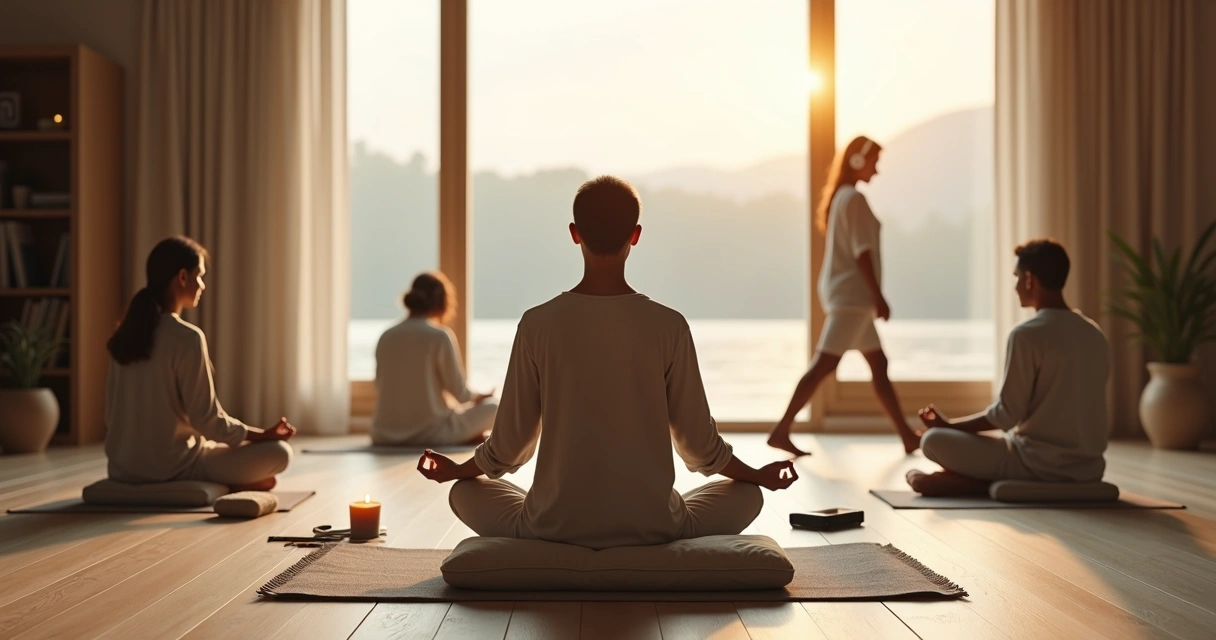
Some meditation methods are almost always practiced alone. Others are commonly shared in a group or guided by an instructor (either in person or through recordings).
- Self-guided meditation appeals to those who want independence and flexibility. You set your pace, choose your setting, and end whenever you wish.
- Guided meditation offers structure and encouragement—usually through audio, video, or classes. It takes the guesswork out and sometimes deepens the experience, especially for beginners.
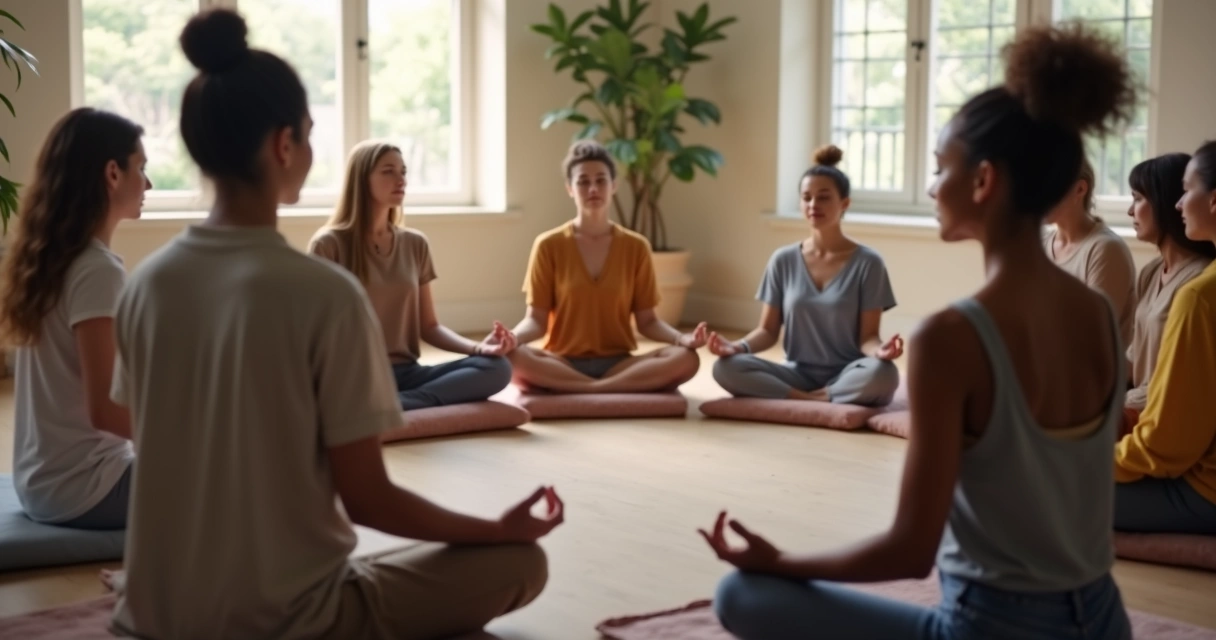
- Group meditation builds a sense of community and shared intention. Some styles, such as loving-kindness (metta) meditation, are popular in group settings for their collective benefits.
We think both options have their merits. A balance between guided and solo sessions may work best for ongoing growth.
Difference 5: Structure and tradition
Meditations can be highly structured—following a specific sequence, script, or tradition—or quite open and co-created each time. This shapes your experience in practical ways.
- Structured traditions—such as mantra-based or spiritual meditation—rely on clear sequences, often with prescribed times, postures, and rituals. Structure suits those who appreciate direction or want to go deep within a particular framework.
- Flexible techniques—such as open monitoring or informal mindfulness—allow you to adapt the practice to whatever your day requires. You can meditate for two minutes or twenty, in silence or with music, sitting or moving.
There is no “right” answer here. It is about discovering how much structure—if any—feels supportive for you.
How do I match these differences to my needs?
Here’s a simple way we suggest thinking through your decision:
- If you want simplicity and less thinking: consider breathing-focused or body-scan meditations.
- If you seek change or healing: look for styles that focus on emotional patterns, self-awareness, or developmental frameworks.
- If you desire community: explore group practices, loving-kindness meditations, or guided sessions.
- If you like variety: blend active and passive, structured and flexible, to stay engaged.
For a broader overview of styles, see our guide to meditation types.
What do studies say about benefits?
According to multiple sources, including research from national health surveys, most people turn to meditation for wellness, disease prevention, or relaxation. The benefits seen in studies are wide-ranging: improved stress coping, emotional regulation, and quality of life among them.
We collected more findings about what to expect—especially for those just beginning or returning after a break—in our comprehensive meditation benefits guide.
Conclusion
Choosing a meditation style is not a one-time decision. It’s fine to start with whatever seems most natural, easy, or comforting. Over time, you might branch out to other methods or shift your focus as goals evolve.
Stick with what brings you peace or clarity.
Many people find value in exploring several meditation types to keep their practice dynamic and alive. The most important thing is to listen for what feels supportive and energizing today. As research has shown, the best meditation is the one you actually enjoy and return to (national health surveys).
Frequently asked questions
What is the best type of meditation?
The best type of meditation is the one that suits your goals and feels good to practice. Some people prefer mindfulness for stress relief, while others love mantra, loving-kindness, or guided meditations. It often helps to try different styles and pay attention to which one you enjoy and stick with regularly.
How do I choose a meditation style?
Start by asking what you need right now: relaxation, clarity, emotional healing, or spiritual connection. Then, try styles that fit that goal—such as breath-focused meditation for calm, insight meditation for self-awareness, or loving-kindness for connection. Flexibility is helpful, so do not be afraid to mix approaches as your needs change.
What are the main meditation techniques?
Some common techniques include mindfulness meditation, concentrative meditation (like repeating a mantra), guided visualization, body scan, and loving-kindness (metta) meditation. Each has unique steps and focus, ranging from breath awareness to focused attention or imaginative journeys.
Is meditation worth trying for beginners?
Yes, meditation is worth trying especially for beginners. Most people report feeling calmer and less stressed, even from short sessions. Science shows that even a few minutes a day can make a difference.
How long should I meditate each day?
There is no single rule, but many studies suggest 10 to 20 minutes daily offers good benefits. If that’s difficult at first, even three to five minutes is a good start. The most valuable thing is consistency, not perfection.