

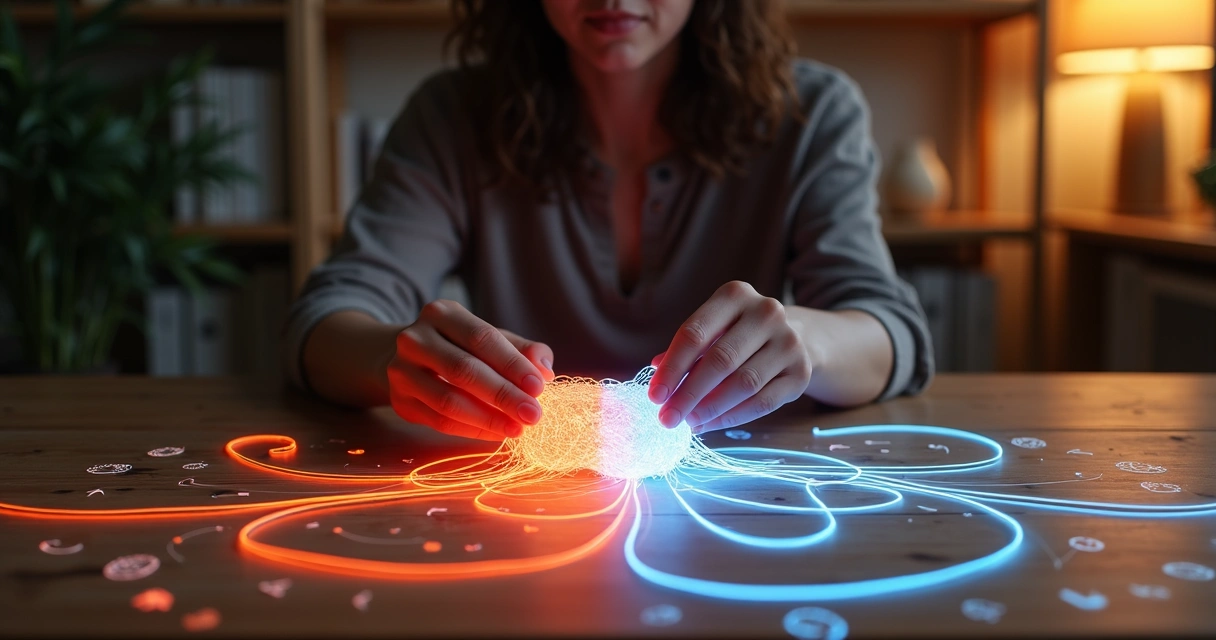
Reactive behavior is something most of us have experienced: a sudden burst of anger in a meeting, snapping at a loved one, or withdrawing when criticized. These moments might seem automatic, but they do not have to control our lives. In our work, we have seen that recognizing, understanding, and shifting these patterns is possible for anyone. Through science, observation, and practical tools, we can learn to respond thoughtfully instead of reacting impulsively.
Understanding the roots of reactive behavior
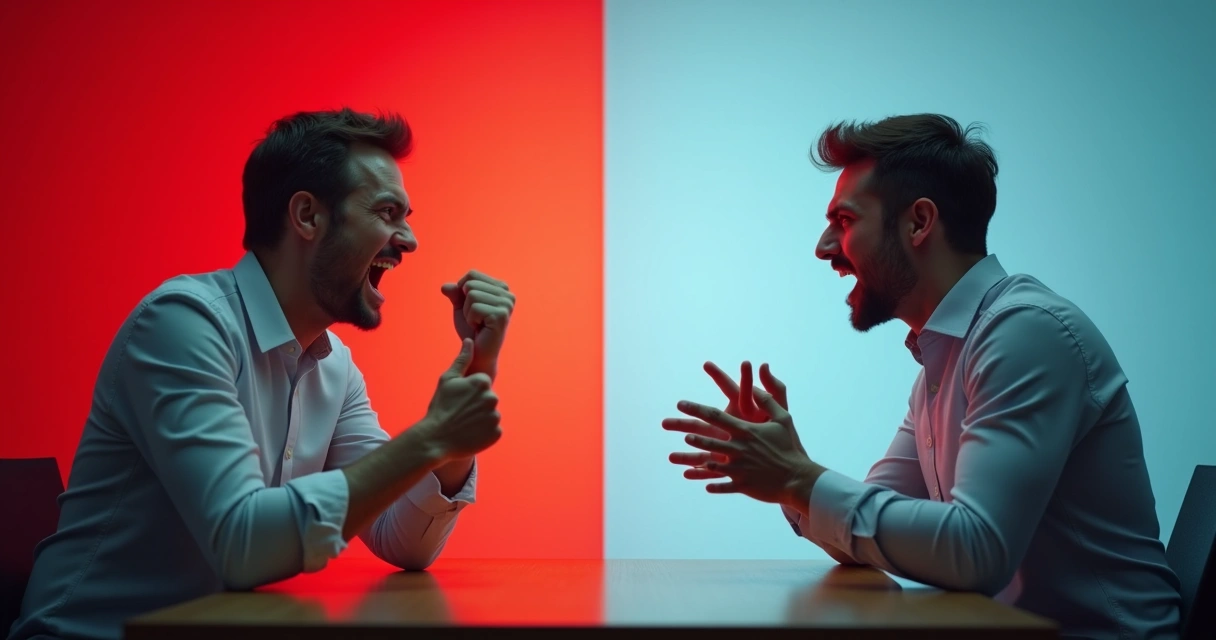
Reactive behavior patterns are automatic responses triggered by internal or external stimuli, often tied to past experiences, emotional wounds, or learned responses. They work beneath our awareness, guiding us into repeating cycles. For example, when someone raises their voice, we might instantly feel defensive or retreat into silence. This is not a conscious choice but a reflex—the body and brain acting before reason can intervene.
Current research shows these reactions are deeply linked to our emotional development. In fact, studies in the American Journal of Preventive Medicine highlight that psychosocial interventions can reduce aggressive and disruptive behaviors among youth, indicating that these patterns are not fixed but can be reshaped. This is true for adults as well.
Every reaction is a doorway to self-awareness.
How do reactive patterns show up?
Recognizing the specific ways our own reactive patterns appear is the first step to change. These patterns include:
- Quick anger or frustration when things do not go as planned
- Automatically blaming others or defending oneself
- Withdrawing or shutting down when faced with conflict
- Needing to control situations or outcomes
- Risk aversion or over-compliance
The physical body is often involved. Rapid heartbeats, tensed muscles, sweaty palms—these are signals that a reaction is underway. By tuning into these signals, we can pause before the pattern takes over.
Why do we react rather than respond?
Our brains are wired for survival. When we sense threat (real or perceived), the amygdala fires. This ancient part of the brain tells us “fight, flight, or freeze”—all automatic. While this kept our ancestors alive, today, these knee-jerk responses can damage relationships and limit our growth.
Unconscious emotions, unresolved past experiences, and mental habits all feed into our instant reactions. For many, childhood dynamics play a strong role. An insightful study in Family Process demonstrated that involving both parents and children in direct intervention reduces reactive aggression, confirming the value of conscious, engaged attention for lasting change.
Steps to transform reactive behavior
Transforming these patterns does more than change how we act—it shifts how we see ourselves and connect with others. In our experience, a structured approach helps make the process clear and possible for anyone.
1. Build awareness
Change begins by seeing our patterns without judgment. We can start with a simple self-inquiry at the end of each day:
- When did I feel triggered today?
- What thoughts or sensations did I notice?
- How did I respond?
Noticing these moments with curiosity (“That was interesting—I snapped at my colleague when interrupted”) opens the door to new choices. Journaling can help, as can discussing these patterns with a trusted mentor or therapist.
2. Practice emotional regulation
When a trigger strikes, the body reacts first. Breathing deeply, relaxing the shoulders, or grounding ourselves physically interrupts this chain. Taking even a moment to pause gives our rational mind a chance to return.
Mindfulness techniques—such as observing the breath or mentally naming the emotional state—have a proven record of calming reactivity and increasing clarity.
3. Reframe perceived threats
Often, what we perceive as threats are not actual dangers. They are echoes of old wounds. We can ask:
- Is my reaction about this situation, or about something from the past?
- What evidence do I have for the story in my mind?
By questioning these assumptions, we gain freedom from old scripts and increase our capacity for choice.
4. Develop new responses
Consciously choosing new responses takes practice. We advise rehearsing them mentally: “If someone criticizes me tomorrow, I will breathe, pause, and simply say, ‘Thank you for the feedback.’”
Over time, with repetition, new neural pathways develop, and these mindful responses become natural.
5. Seek support and feedback
We all need support. Working with a group, mentor, or coach increases our accountability and provides perspective. Research published in the Journal of Consulting and Clinical Psychology shows that collaborative problem solving is especially effective for reducing oppositional or reactive behaviors.
The science behind transformation
A great deal of evidence points to the effectiveness of experiential, emotion-focused approaches for changing reactive habits. We have mentioned that interventions involving both the individual and their support networks—parents, colleagues, or peers—can speed up change.

Our experience echoes the findings of large-scale studies on psychosocial interventions: change is more likely when approached as a process involving reflection, practice, and relational support.
Everyday strategies for lasting change
While structured therapy or coaching can accelerate transformation, there are simple daily steps any person can use:
- Maintain a daily check-in. Ask: “Where did I react? Where did I respond?”
- Cultivate self-compassion. Notice harsh self-judgment, and choose kind words for yourself. Self-criticism fuels reactivity.
- Practice pausing. Use a breath, a sip of water, or even counting to three before responding.
- Build relational trust. Let trusted people know you're working to change, and invite gentle feedback.
- Celebrate small wins. Transformation is gradual. Every time you pause before a reaction, acknowledge your progress.
Over time, these micro-practices create macro-results.
Deeper transformation and conscious leadership
As we shift our own patterns, we can shape the emotional climate around us. In leadership or as part of a family, modeling non-reactive behavior invites others to do the same. When we learn new ways to respond, we help those around us feel safer and more respected.
To learn more about steps for individual development and guidebooks to support your journey, refer to detailed resources such as transforming reactive behavior patterns guide.
Resources for practice and learning
For a more practical and step-by-step resource, our practical guide to transforming reactive behavior patterns can provide extra exercises and real-world scenarios.
Conclusion
Every person has the ability to recognize and redirect reactive patterns. With practice, self-reflection, and support, these patterns can be softened and reshaped, leading to greater peace, clearer thinking, and stronger relationships. As we interrupt our reactivity, we discover new options for action, presence, and growth—within ourselves and those we care about.
Frequently asked questions
What is reactive behavior pattern?
A reactive behavior pattern is an automatic, often unconscious, emotional or behavioral response to a triggering event or stimulus. These patterns develop over time and can show up as quick anger, withdrawal, defensiveness, or other habitual reactions.
How to change reactive behavior?
To change reactive behavior, we recommend first becoming aware of your patterns, practicing brief pauses before responding, developing skills in emotional regulation (like mindful breathing), questioning the stories you tell yourself about triggers, and consciously practicing new, constructive responses. Support from others and consistent reflection accelerate change.
Why do people act reactively?
People act reactively when their brains perceive a threat or challenge, often based on past experiences or emotional conditioning. The body’s survival response takes over before the rational mind can intervene, leading to automatic reactions rather than considered responses.
What are the benefits of being proactive?
Being proactive allows us to make thoughtful choices, communicate better, reduce conflict, and build healthier relationships. It places us in the driver’s seat of our actions, improving both self-confidence and long-term well-being.
How long does change usually take?
The time needed to change reactive patterns depends on the individual and the depth of the habit. With regular practice and support, many people see improvements within weeks or months, but deeper changes can take longer. Consistency is more important than speed.