

When we talk about "value," many of us instantly think of success, skill, or recognition. Yet, there is something deeper, present in everyone from birth: innate human value. It exists regardless of culture, status, or the labels put upon us. Recognizing and developing this inner worth isn't only an abstract discussion—it can change how we see ourselves, relate to others, and make decisions every single day.
Understanding what innate human value truly means
At its heart, innate human value is the unconditional worth every person holds, simply by being human. It isn't gained by what we achieve, how we look, or how others judge us. It doesn't fade with failures, and it isn't increased by medals or external praise. It is a steady foundation, available at all moments—even on days when we doubt ourselves most.
Many of us were taught, directly or indirectly, that we must prove our value through performance or meeting expectations, both from ourselves and others. But if we explore childhood memories, we often see that our core sense of being—before comparisons, before metrics—was whole and bright. This is what we mean by "innate" value: the unchanging sense of being enough.
Why recognizing our value feels difficult
We live in a world filled with evaluation. Social media, grades, job reviews—comparison is everywhere. With time, we start measuring our worth against impossible standards. It's not surprising, then, that recognizing our value becomes clouded by doubt, criticism, and the pressure to keep up.
The world judges; our value is not up for debate.
In our work, we have seen many people struggle to look beyond results and find self-acceptance. Holding on to past mistakes, unfair judgments, or rigid beliefs about what makes someone "worthy" can dull the spark of their true self. Yet, even in these moments, innate value isn't absent—it’s only overlooked.
Practical steps to recognize innate human value
Recognizing value is not a one-time act. It is a daily choice, a practice we return to until it becomes part of our deeper knowing. Here are some ways we believe can help anyone start this journey:
- Pause self-judgment: Notice moments when you are hard on yourself. Instead of pushing those thoughts away, ask, "Would I say this to someone I love?"
- Reflect on shared humanity: Value is not unique to us; everyone carries it. When we see others with compassion, it becomes easier to extend it to ourselves.
- Separate value from achievement: Achievements can excite or disappoint, but they do not alter your worth. Remind yourself: "I may have failed, but my value remains."
- Practice gratitude for your existence: Instead of listing successes, try listing simple things about yourself you are grateful for—curiosity, kindness, stillness.
- Seek feedback from those who care: Sometimes the people closest to us recognize our value better than we do. Let their words guide you back to your center.
There are further insights on this theme in our article about recognizing innate human value, where practical exercises and perspectives are shared.
What does it look like to live from your value?
The more we recognize our value, the more it shapes our choices, words and responses. We see this in honest apologies, firm boundaries, acts of courage, and the ability to rest without guilt. Living from this place does not mean arrogance or entitlement; it means carrying quiet confidence, not easily shaken by temporary setbacks or others' opinions.
In our experience, people who anchor themselves in this inner foundation tend to:
- Set boundaries without anger
- Offer empathy easily
- Change directions in life without losing self-respect
- Encourage growth in others, not just themselves
It often feels surprising at first, like seeing a familiar street in a new light. But with time, it leads to a genuine sense of calm and steady motivation—not the kind that burns out, but the kind that keeps going, quietly and clearly.
How do we develop innate human value?
Developing value is not about adding something we lack, but uncovering what was always there. Just as a sculptor brings forth a figure from marble, we practice chipping away the doubts, painful comparisons, and beliefs that hide our inner worth.
Here is a step-by-step approach we often recommend:
- Self-observation: Notice thoughts and emotions when you feel "less than." Write them down. Observe honestly, without judgment.
- Question inherited stories: Ask yourself, "Is this really my belief, or one I picked up from the past?" This question alone can open doors.
- Reconnect with core values: What matters to you? When we know our values, we return home to ourselves, regardless of what the world says.
- Act in alignment: Start small. If you value honesty, speak your truth kindly in an everyday situation. Each aligned action strengthens your awareness of your worth.
- Celebrate inner progress: Growth is not just measured by outcomes, but by the courage to grow at all.
These steps are explained further in our post about developing human value, which offers deeper context and practical guidance.

Integrating practices for a stronger sense of value
Daily practices can carry this recognition deeper. Many people find help in methods such as:
- Mindful breathing: Each intentional breath is a reminder that your existence matters.
- Affirmations: Quietly repeat, "I am enough, just as I am."
- Journaling: Write moments when you acted with courage or kindness, independent of outcomes.
- Acts of service: Helping others reminds us of the value we offer from presence alone.
- Connecting with nature: Witnessing beauty without usefulness—like a sunrise or a flower—can mirror our own value, without condition or achievement.
Small shifts, practiced consistently, can lead to deep transformation. We have witnessed people who once doubted their worth begin making choices with confidence, leading with empathy, and facing tough moments with greater clarity. It's not magic; it's the slow unveiling of an inner foundation waiting to be lived.
Building value in others: social and collective benefits
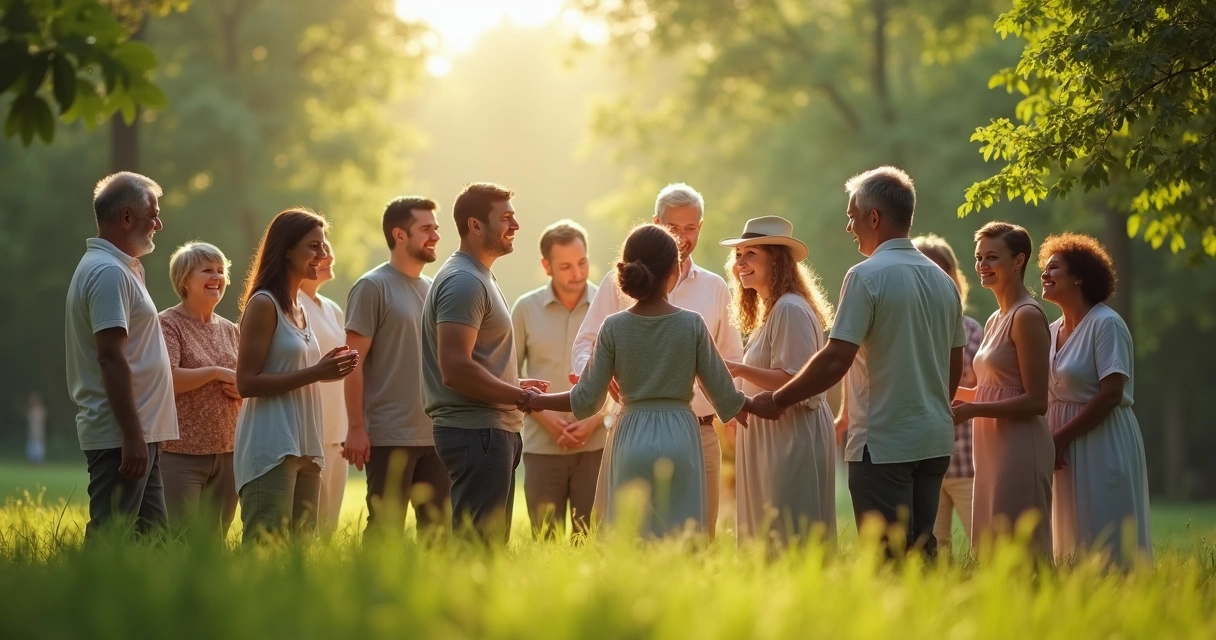
When we see and respect our own value, it becomes easier to see it in others. In our work with communities and organizations, we have noticed that valuing each person as inherently worthy leads to more respectful, creative, and supportive environments. There is less fear, more open communication, and real opportunities for collective growth.
This shift impacts families, companies, and societies alike. We move from a culture of exclusion to a culture of belonging. The benefits are felt not just individually, but by everyone connected to us. This is not wishful thinking—this is how movements toward deeper respect, equity, and lasting change begin.
Conclusion: The journey of self-value is the journey of life
Recognizing and developing innate human value is a lifelong practice. Some days, it comes easily. On other days, it feels far away. But with steady attention, compassion, and practical action, it becomes a source of strength that cannot be taken away. We believe that this journey changes not only how we see ourselves, but how we treat others and shape the world around us.
Frequently asked questions
What is innate human value?
Innate human value is the unquestionable worth that every person has simply by being human. It does not depend on actions, achievements, status, or how others see us. It is constant and unchanging, even when we doubt ourselves.
How can I recognize my own value?
To recognize your value, start by becoming aware of moments when you judge yourself harshly. Practice pausing and asking if those judgments are fair. Reflect on your shared humanity, practice gratitude, and remember that achievement doesn't add to or subtract from your worth.
How do I develop my human value?
Developing human value involves removing layers of self-doubt and negative beliefs, rather than adding something new to yourself. Practicing self-observation, questioning old beliefs, living by your core values, and celebrating inner growth are all ways to strengthen your awareness of your true worth.
Why is innate value important?
Understanding innate value helps build confidence, reduce fear of judgment, and encourage empathy for others. It provides a steady sense of self-esteem and guides more authentic choices in life, relationships, and work.
Can everyone grow their innate value?
Yes, everyone can deepen their awareness of innate value. This growth happens through daily practice, compassion, and honest reflection. With time, it becomes easier to live from a place of wholeness, contributing to a healthier and more respectful environment for all.