

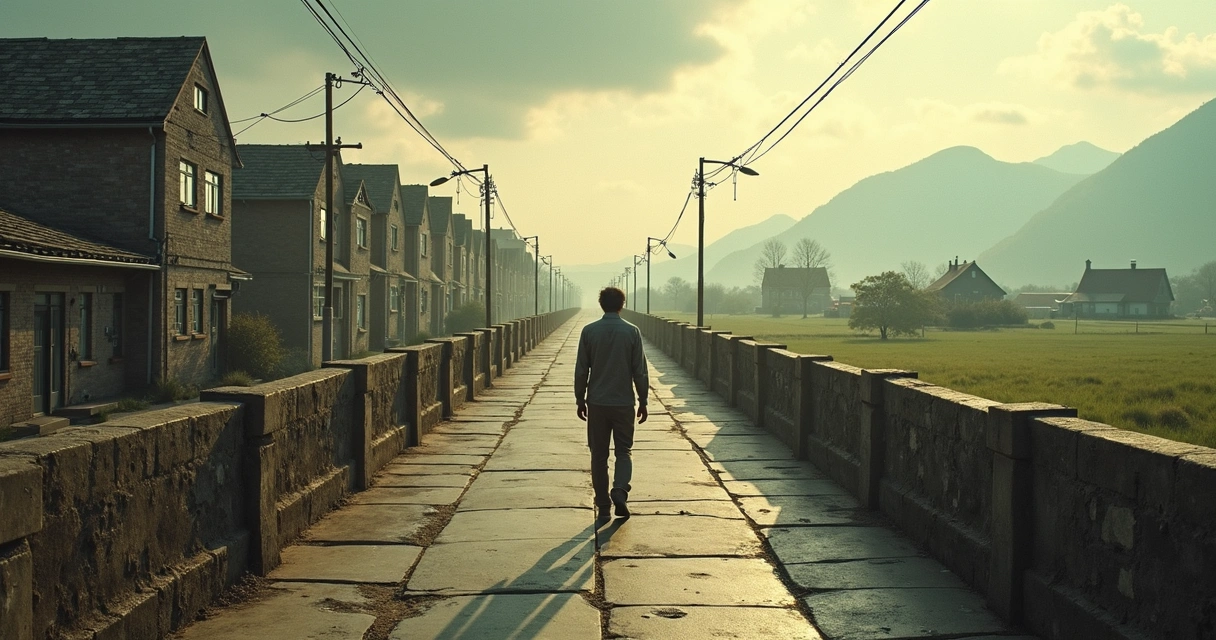
Some family pain does not start with us. Yet we may still carry it in our body, our choices, and our relationships. We may notice the same silence around hard feelings, the same fear of conflict, or the same habit of staying small just to keep peace. That is often how multigenerational trauma appears. Quiet. Repeated. Familiar.
Multigenerational trauma is emotional pain passed through family systems by behavior, belief, stress, and survival patterns.
We often see this in homes where people love each other deeply but still struggle to feel safe with one another. A grandparent lived through loss, war, abuse, poverty, or forced silence. A parent then learned to cope by controlling, withdrawing, pleasing, or hardening. The child grows up inside that emotional climate and calls it normal. Years later, the pattern continues, even when no one intends harm.
This topic matters even more now because families are sharing space across generations more often. Data on the rise in multigenerational households shows a strong increase over the last decades. In our view, more shared living can bring support and closeness, but it can also make inherited emotional patterns easier to repeat if they stay unseen.
How trauma stays alive in family life
Trauma is not only about one shocking event. It can also come from years of fear, unpredictability, rejection, neglect, or emotional coldness. When these states last long enough, people organize their whole personality around survival. Then they teach survival without meaning to.
We have seen this happen in very ordinary scenes. A child cries and hears, “Stop being dramatic.” A teenager asks a question and meets anger instead of guidance. An adult feels shame for resting because the family story says worth must be earned through struggle. No one may name these moments as trauma. Still, they shape the nervous system.
What is repeated becomes inherited.
Trauma persists in family life through several channels:
- Emotional rules, such as “do not talk,” “do not feel,” or “do not need help”
- Attachment patterns, including fear of closeness or fear of abandonment
- Stress responses like freezing, exploding, pleasing, or numbing
- Beliefs about worth, money, love, authority, and safety
When these patterns are not examined, they start to feel like personality instead of adaptation.
Which patterns tend to persist?
Not every family carries the same wounds, but some patterns appear again and again. We think naming them clearly helps people stop blaming themselves for reactions that were learned long ago.
The most common inherited trauma patterns are emotional suppression, hypervigilance, people pleasing, harsh self-criticism, and unstable boundaries.
Here is how they often show up:
- Emotional suppression. Family members avoid sadness, anger, and grief. People function, but they do not process.
- Hypervigilance. Someone is always scanning for danger, tone shifts, or signs of rejection.
- People pleasing. Peace is kept by self-erasure. Saying no feels risky.
- Control and perfectionism. Order becomes a shield against chaos.
- Shame-based identity. A person feels “wrong” even when they did nothing wrong.
- Role fixation. One child becomes the rescuer, another the rebel, another the invisible one.
If you want a closer look at recurring family behaviors, this guide on multigenerational trauma patterns can help put language to what many people feel but cannot yet explain.
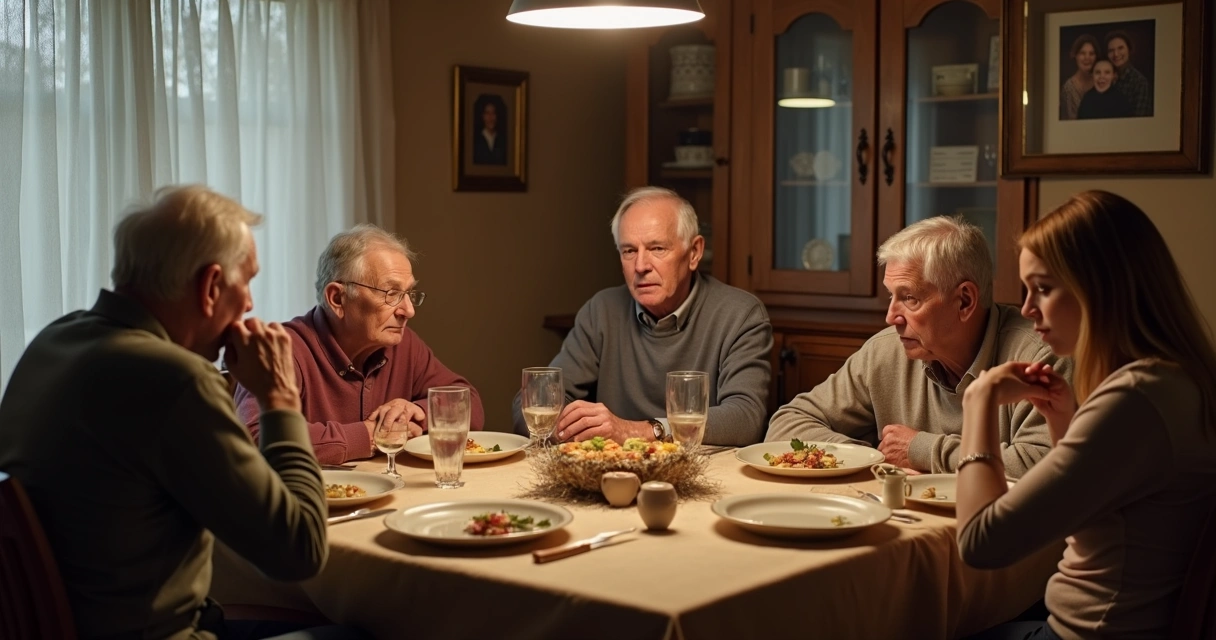
Why do these patterns last so long?
Many people ask this with pain in their voice. If the pattern hurts, why does the family keep it? Because in many cases, it once protected someone.
A parent who grew up in danger may value control because control once reduced fear. A grandparent who survived humiliation may avoid feelings because feelings once brought punishment. We should be honest here. Patterns can be harmful and still make sense in context.
Trauma patterns persist because they are linked to survival, loyalty, and identity inside the family system.
There is also a bond factor. Children depend on caregivers, so they adapt fast. They copy tone, beliefs, and emotional habits to stay connected. Later, the body keeps running those same responses even when the original threat is gone.
Shared living can deepen this effect. Figures from the U.S. Census Bureau on family households show that multigenerational homes have increased in recent years. We think this can be beautiful and supportive, but without awareness it may also reinforce old dynamics every single day.
How it affects adult life
The impact does not stay in childhood. It follows us into work, love, parenting, and even rest. We may overreact to a neutral comment because our body reads danger. We may feel guilty after setting a healthy boundary. We may choose partners who feel familiar rather than safe.
We once heard someone say, “I thought anxiety was just my personality.” That sentence stays with us. It captures how deep these patterns can go. What feels natural may simply be old conditioning.
Among young adults, this topic can be especially visible. Research on young adults in multigenerational households shows how common shared family living has become. More closeness across generations can mean more support, but it can also make unresolved emotional roles harder to escape.

What starts healing?
Healing usually begins with awareness, not blame. We do not need to shame our family to tell the truth about what happened. We can honor what people survived and still refuse to repeat what harmed us.
The first steps are often simple, though not easy:
- Name the pattern without softening it.
- Notice when your body reacts before your mind explains.
- Learn new emotional skills, such as grounding, clear speech, and boundary setting.
- Get support that helps you process, not just cope.
Many people also need practical guidance. These trauma healing tips can support slow and steady change in daily life.
Healing does not mean erasing the past. It means ending the automatic transfer of pain. It means pausing before passing fear forward. It means becoming the person who can feel, choose, and relate with more truth.
Conclusion
Multigenerational trauma persists because families pass down more than stories. They pass down ways of feeling, coping, connecting, and defending. Some of these patterns once kept people alive. But survival habits that remain unchecked can limit love, freedom, and emotional maturity in the next generation.
We believe change becomes possible when we stop asking, “What is wrong with me?” and begin asking, “What happened before me that still lives in me?” That question opens a door. And sometimes, that is where a new family story begins.
Frequently asked questions
What is multigenerational trauma?
Multigenerational trauma is trauma that moves from one generation to the next through learned behaviors, emotional responses, family beliefs, and relationship patterns. It may begin with abuse, war, loss, addiction, neglect, or chronic fear, then continue when later generations adapt to the emotional climate created by those experiences.
How does trauma pass through families?
Trauma passes through families in daily interactions. Children absorb how adults handle stress, conflict, affection, grief, and control. They also inherit spoken and unspoken rules, such as avoiding feelings, staying silent, or pleasing others to stay safe. Over time, these patterns become automatic.
Which patterns are most common?
Common patterns include emotional suppression, hypervigilance, people pleasing, harsh self-judgment, weak or rigid boundaries, fear of intimacy, and control-based behavior. Family roles also repeat often, such as the rescuer, the rebel, or the invisible child.
How can multigenerational trauma be healed?
Healing starts with awareness, honest naming of the pattern, and learning safer ways to regulate emotions and build relationships. Support from trauma-informed care, reflection practices, body-based calming tools, and boundary work can all help. The goal is not perfection. It is to stop repeating pain on autopilot.
Why do some trauma patterns persist?
Some patterns persist because they were once tied to survival. They can also be reinforced by family loyalty, fear of change, and the need to belong. Even harmful reactions may feel normal when they are repeated for years. Lasting change often begins when one person sees the pattern clearly and chooses a different response.