
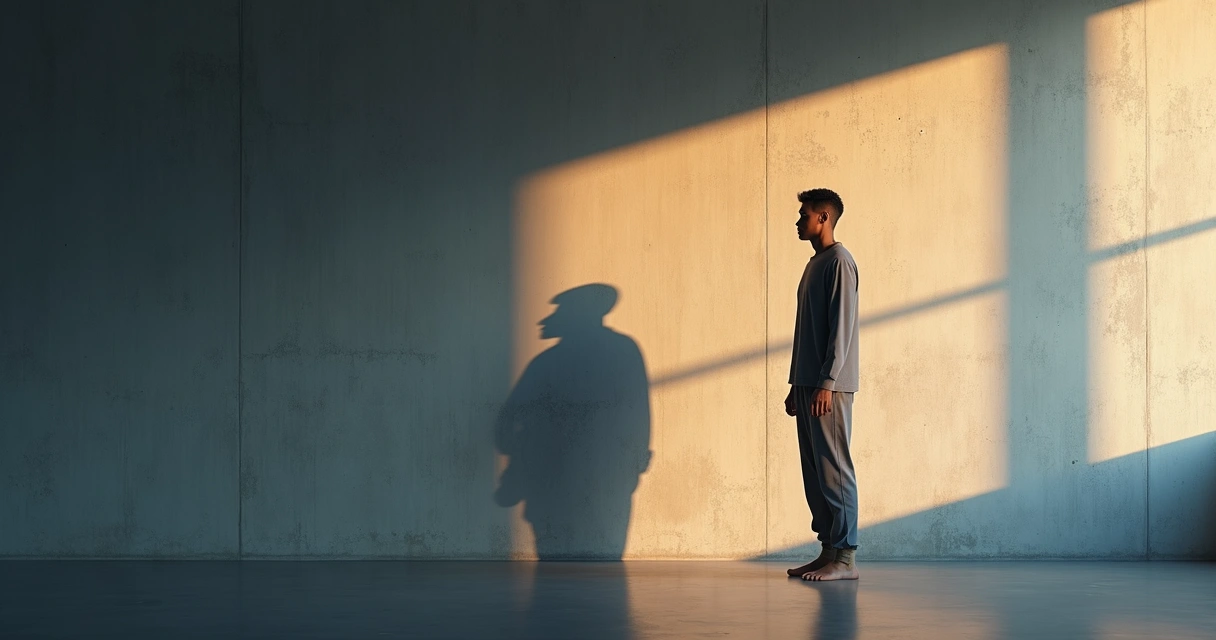
Shadow integration is fast becoming a topic that sparks interest for many on their path of self-discovery and emotional health. From our perspective, it is both a gentle invitation and a direct challenge. The challenge? To look into the parts of ourselves that we often turn away from. The invitation? To bring what is in the dark into the light, and to connect more deeply with our wholeness.
Understanding the shadow concept
When we speak about the "shadow," we're referring to the hidden or less acknowledged parts of our personality. These are aspects we might have learned to hide, deny, or disown due to social, familial, or personal expectations. Still, these hidden facets hold clues to our emotions, reactions, and relationships.
The shadow is not evil. It is simply unacknowledged.
Most of us, at some time, notice strong reactions—anger, jealousy, shame, or fear. We might ask: Where is this coming from? These feelings can be linked to our shadow. In our work, we have seen that when these feelings are ignored, they build tension. When brought into awareness, they become opportunities for transformation.
Why shadow integration matters today
In recent years, the pace and stress of daily life have exposed the costs of emotional avoidance. Many seek deeper understanding not just to cope, but to live with meaning. Shadow integration is about facing what we keep hidden, to grow in self-acceptance and resilience.
Unaddressed, our shadow might show up as self-sabotage, interpersonal conflict, unhealthy patterns, or a pervasive feeling that something is missing. Our experience has shown that acknowledging our shadow can help us:
- Reduce repeating harmful patterns
- Strengthen emotional stability
- Connect more honestly with others
- Cultivate compassion—first for ourselves, then for others
- Increase authenticity and clarity of purpose
How shadow integration works
We have found that integration is not about getting rid of the shadow, but about seeing it, understanding it, and allowing it space within our awareness. This process can feel uncomfortable at times, but it is never meant to shame or label parts of us as "bad."
Shadow integration takes us through repeated steps: awareness, acknowledgment, acceptance, and integration. The process is gentle and can be adapted to individual pace and context.
Awareness: Noticing the shadow
The first step is becoming aware that shadow aspects exist. This can happen through feedback from others, recognizing uncomfortable emotions, or noticing repeating life themes.

Acknowledgment: Taking responsibility
Once aware, the next move is acknowledging that this aspect is within us. We find it helpful to remind ourselves that everyone has shades within their psyche. By taking responsibility (without self-blame), we create room for healing.
Acceptance: Seeing value
Instead of fighting or suppressing these qualities, we aim to approach them with curiosity. What purpose might this shadow trait serve? What was it trying to protect us from? Often, under the surface, there is a story of needs unmet or pain unspoken.
Integration: Bringing shadow into daily life
Finally, we work on integrating—allowing this awareness to change how we think, feel, and act. Sometimes this means setting boundaries, practicing new communication skills, or taking healthy risks. Integration is lived and embodied, not just understood in theory.
Common myths about shadow work
Many people approach shadow integration with fear or skepticism. In our experience, some common myths deserve clarification:
- Shadow is only about negativity. The shadow holds not just "negative" traits, but also hidden strengths, undeveloped talents, and positive qualities we might have learned to downplay.
- "Shadow work is only for those in pain." Actually, anyone interested in growth or meaningful connection can benefit.
- "Once you start, you’ll never finish." Integration is ongoing, but it becomes gentler as we develop self-understanding and kindness.
You are not broken. You are learning to become whole.
Simple practices for shadow integration
Throughout our journey with teaching and accompanying others, we observe several everyday practices that reinforce shadow integration. These do not require elaborate tools, only willingness and patience.
- Journaling: Writing honestly about triggers and emotional reactions can reveal shadow themes.
- Mindful self-observation: Taking a pause during strong emotions to ask, “What am I feeling? Where have I felt this before?”
- Compassionate inquiry: When judging ourselves, try asking, “What might this feeling need?” instead of rushing to criticize.
- Safe sharing: Sharing your observations with a trusted person or community can bring relief and new insight.
- Intentional reflection: A regular review of one’s week, marking times when shadow aspects appeared. What patterns do you see?
For a more detailed process, we recommend viewing this step-by-step guide to shadow integration to enrich your understanding.

Shadow integration and self-healing
Healing with the shadow touches not only our minds but our hearts and bodies. Shadow integration is a core part of emotional self-healing, bringing relief from older wounds that may still influence our present living. The process is about transforming self-judgment into self-respect, so we can meet life’s challenges from a stronger foundation.
Those seeking practical approaches to self-healing through shadow integration can benefit from further reading about specific techniques and applications at our dedicated resource on shadow self-healing.
What to expect from the journey
As we have witnessed, each person’s path through shadow integration is unique. However, we often notice some shared experiences:
- Initial relief at understanding recurring emotional patterns
- Increased self-compassion as hidden motives come to light
- Moments of discomfort followed by breakthroughs in relationship and self-care
- A newfound ability to respond, rather than react, to life’s stresses
- Gradual recovery of lost creativity or passion
The work is ongoing, but its rewards touch almost every area of daily existence.
Conclusion
Shadow integration is a journey of courage and honesty. We have seen that each step—however small—restores connection and trust in who we are. When we welcome the shadow, we unlock deeper awareness and the possibility of lasting change.
The light and the dark are both part of our story; by honoring both, we come home to ourselves.
Frequently asked questions
What is shadow integration?
Shadow integration is the process of becoming aware of, accepting, and learning from the hidden or less acknowledged parts of our personality. These "shadow" aspects can influence our thoughts, feelings, and actions until we recognize and work with them.
How does shadow integration work?
Shadow integration works by first noticing the shadow traits, acknowledging them as our own, accepting their presence without judgment, and then integrating this understanding into our daily decisions and relationships. This often leads to more balanced emotional responses and improved self-understanding.
Is shadow integration effective for personal growth?
Yes, in our view, shadow integration is very effective for personal growth. It helps us break repetitive patterns, fosters self-acceptance, and opens up more authentic relationships with ourselves and others.
How can I start shadow integration?
You can start with self-reflection practices such as journaling, mindful self-observation, and compassionate inquiry. Seeking feedback from trusted friends, joining support groups, or reading further guides can also provide direction. The key is regular practice and patience with yourself.
What are the benefits of shadow integration?
The benefits include increased self-awareness, emotional balance, more genuine relationships, and a greater sense of inner peace. Many people also experience renewed creativity, motivation, and clarity of life purpose as a result of this work.