


Life has a way of slipping into a rhythm. We wake up, go through our routines, respond to messages, fulfill tasks, and prepare for another day. Sometimes, we realize weeks have passed and we barely remember the details. This sense of “running on autopilot” is more common than we notice. In our work, dialogues, and studies, we've seen what happens when someone shifts from simply reacting to life to making conscious choices.
What is autopilot living?
Autopilot living happens when we carry out daily actions, decisions, and reactions based on habit, ingrained patterns, or external expectations, rather than genuine intention. It’s as if there’s an invisible script and we follow it, sometimes for years. This mode of living feels safe. Predictable. But also, often disconnected from our true intentions or desires.
Autopilot makes life easier, but it also makes it easy to miss.
So how do we notice it's actually happening?
- Losing track of time or milestones
- Repeating daily habits with little thought or feeling
- Reacting automatically, especially under stress
- Struggling to recall what gave us genuine satisfaction last week or even yesterday
- Feeling stuck in patterns that don’t really serve our growth or wellbeing
It's not just about what we do, but the absence of conscious presence in how we move through our hours and days.
What does conscious choice look like?
Living with conscious choice feels energetic, deliberate, and alive. It means we bring awareness to the present, pause, and reflect before reacting. We can recognize old patterns and choose differently, even in small ways.
We’ve observed that when people nurture this approach, their relationships shift. Their career path can change. Even how they see themselves evolves. Conscious choice is about gently steering—adjusting the direction, even in familiar territory.
- Pausing before saying yes or no
- Acknowledging how we feel before responding
- Setting intentions for the day, not just tasks
- Checking in on values before big decisions
- Reflecting: “Is this what I want, or what I always do?”
Small conscious choices set a different tone for the day—and for our life story.
The science behind autopilot and conscious choice
Our brains are wired for ease. Habits and routines reduce effort and save energy. From a biological view, autopilot is efficient. But it also keeps us in the “comfort zone,” which can stifle growth or avoid uncomfortable, yet necessary, change.
Shifting into conscious choice activates parts of the brain related to new learning and self-reflection. This doesn’t mean turning every action into a heavy decision. It means creating room for awareness where it matters.
In our research, we've noticed that moving from autopilot to conscious choice is often gradual:
- Recognition: Realizing we're in a pattern
- Pause: Interrupting the flow, even momentarily
- Question: “Is there a better way for me now?”
- Choice: Choosing how to proceed—maybe different, maybe the same, but conscious
With repetition, conscious choice becomes part of our story, not just a rare occurrence.
Real changes: From autopilot to conscious choice
We have seen many stories where turning off autopilot brought subtle, but powerful, changes. A parent reconnects with their child’s needs rather than repeating their own parent’s style. A team leader uses emotional awareness, not only targets, when communicating. Someone reevaluates a career path, not because everything is wrong, but because “good enough” isn’t truly fulfilling.
The differences are visible in:
- Improved emotional resilience
- Deeper, more genuine relationships
- Higher engagement in daily routines
- Greater sense of agency and satisfaction

What we notice is, the external world doesn’t always change quickly. But the inner landscape transforms. Suddenly, the same challenge might feel less daunting or a lingering problem becomes an invitation to grow.
How conscious choice affects emotional patterns
Our emotional patterns often run deep. If we live with autopilot, we repeat old protective responses. Maybe we react with anger when criticized, or freeze when facing a challenge, just because we always have.
Conscious choice creates space to notice the emotion, understand its root, and select a response—not just a reaction. This gap between emotion and action is where growth happens.
In personal development, frameworks like recognizing the patterns of autopilot living can help us become aware of when we are slipping into these older scripts. Each moment of pause becomes a chance to rewire old emotional codes.
Day-to-day life: What actually changes?
The first noticeable shift is in the experience of the present moment. Things feel clearer, lighter, sometimes even more challenging—but in a way that feels constructive. We might be less easily triggered. Or more willing to pursue what really matters, not just what is habitual.
- Conversations feel richer and less superficial
- Stressful moments don’t spiral as easily
- We appreciate small wins and learn from setbacks
- Goals transform from “what I should do” to “what is truly meaningful for me”
Some readers have shared that the transition, while not always simple, brought a surprising sense of freedom—and sometimes uncertainty. The difference is, they are ready to meet it with curiosity rather than fear.
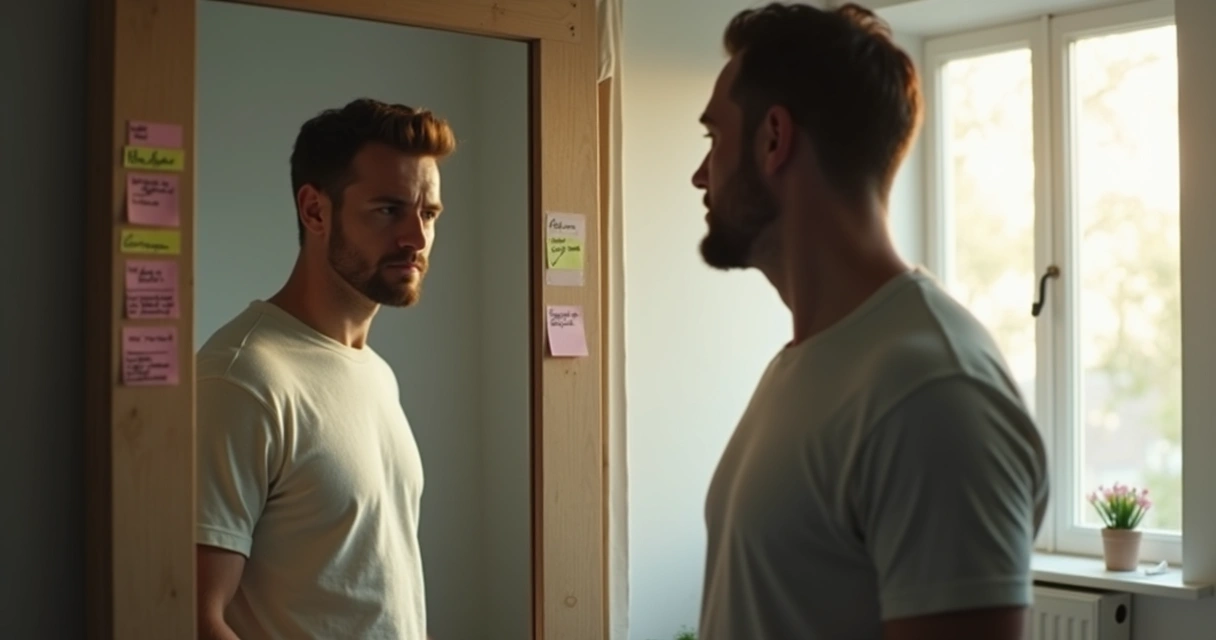
The real power of conscious choice is not that it makes life easier, but it brings us into closer alignment with our true intentions. That is the difference that changes everything—and it begins in small, daily steps.
How to start making conscious choices
Based on our experience working with people and organizations, the most effective way to stop living on autopilot is not to change your whole life all at once. It is to notice, pause, and set gentle intentions. If you want deeper support, resources that guide you through how conscious choice changes your life can offer practical ideas.
- Start with reflection: Ask, “What one thing feels out of sync?”
- Pick a habit: Experiment with changing just one small routine
- Be patient: Real change is about consistency, not intensity
- Stay curious: Replace judgment with observation
- Seek support: Share your intentions with someone you trust
Openness and curiosity are the first steps to conscious living.
Conclusion
Moving from autopilot living to conscious choice is about finding room for awareness, intention, and inner honesty in daily life. The most profound changes start with the smallest shifts—a moment of presence, or one new question. Over time, this invites us into a life that is not only lived, but truly felt. It is not about constant deliberation or dramatic decisions, but about aligning our choices with what matters most.
Frequently asked questions
What is autopilot living?
Autopilot living is when our daily actions, decisions, and reactions happen automatically, based on habits and routines, rather than conscious intention. This state can make life feel comfortable but may also limit personal growth and reduce our sense of presence.
How to make more conscious choices?
To make more conscious choices, start by pausing before acting or responding. Reflect on your feelings and intentions in the moment, question if your automatic reaction serves you, and try to set small daily intentions. Over time, these pauses build a foundation for greater self-awareness and more meaningful actions.
Is conscious living better than autopilot?
Conscious living creates a deeper sense of presence, alignment, and satisfaction in life compared to autopilot. While autopilot has its uses for routine tasks, conscious living invites us to make choices that reflect our true values and emotional needs, leading to more fulfilling relationships and personal growth.
What changes when I stop living autopilot?
When you stop living on autopilot, you might notice stronger emotional resilience, more authentic connections, and a greater awareness of your own needs and desires. Challenges can feel more manageable, and everyday moments become more engaging and meaningful.
How can I break autopilot habits?
Breaking autopilot habits starts with awareness. Notice which routines feel automatic or disconnected. Choose one habit to change, experiment gently, and reflect on the differences you notice. Be patient with yourself; conscious change is a gradual process built on daily practice and curiosity.