

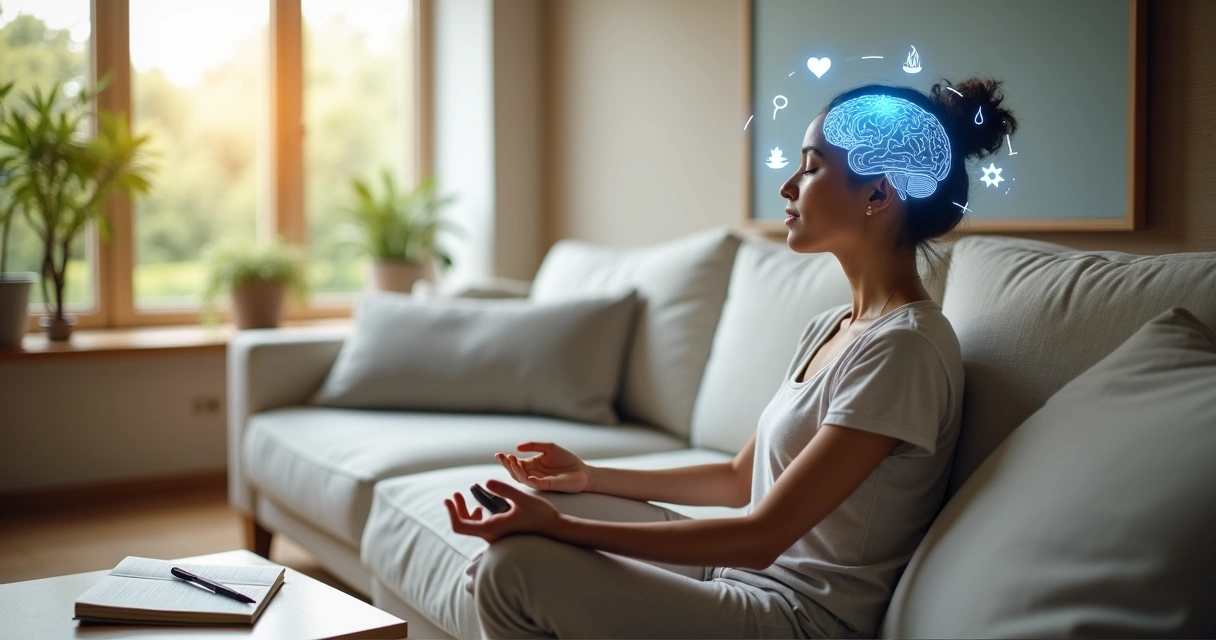
Automatic emotional responses can shape the way we experience life, connect with others, and even decide our future behavior. Many of us have felt a sudden wave of anger, anxiety, or sadness before realizing what triggered it. These reactions often come without warning, feeling as if they control us instead of the other way around. But we are not stuck with them. Changes are possible. Here, we share five practical ways to reprogram automatic emotional responses, based on our experience and the latest knowledge in emotional development and consciousness.
Understanding the roots of automatic responses
Before we learn to change our emotional reactions, we need to know where they come from. Automatic emotional responses are patterns we learned through past experiences, family dynamics, beliefs, and social influences. It's like our minds pressed a "repeat" button for certain situations—especially those charged with old memories or emotional pain. Recognizing these patterns starts the process of reprogramming.
1. Mindful self-observation
We believe that the first step to transforming emotional reactions is to observe them without judgment. When a strong emotion arises, pause for a moment and notice what happens inside. What is the sensation in your body? What thoughts are cycling through your mind? Are you feeling heat, tension, butterflies, or maybe tightness in your chest?
- Avoid labeling the emotion as "bad" or "wrong." Instead, see it as a signal that something needs attention.
- Practice catching the emotion before it carries you away. Even ten seconds of mindful noticing creates a gap between feeling and reaction.
- Reflect on the pattern later. When did you first start reacting this way? Is it linked to a past event?
We often find that the more we witness an emotion, the less power it has to trigger automatic reactions. Mindful self-observation sharpens self-awareness, opening the door for positive change.
Awareness is the first step to freedom.
2. Identifying emotional triggers
Once we become aware of our automatic responses, the next step is to map out our triggers. Triggers are specific people, words, environments, or situations that spark a certain pattern of emotion. Sometimes, they are obvious. Other times, they feel hidden and mysterious.
- Start a daily or weekly log of moments when you felt a quick, strong emotional response.
- Write down what happened, who was present, and what thoughts or sensations appeared.
- Look for patterns. Are certain themes or relationships coming up repeatedly?
Identifying triggers helps us predict and prepare for challenging moments. We develop a sense of readiness instead of surprise. This awareness gives us new choices—suddenly, the old reaction is not inevitable.
For readers who want a detailed guide to mapping triggers and response cycles, our automatic emotional responses guide covers step-by-step strategies.
3. Reframing and conscious questioning
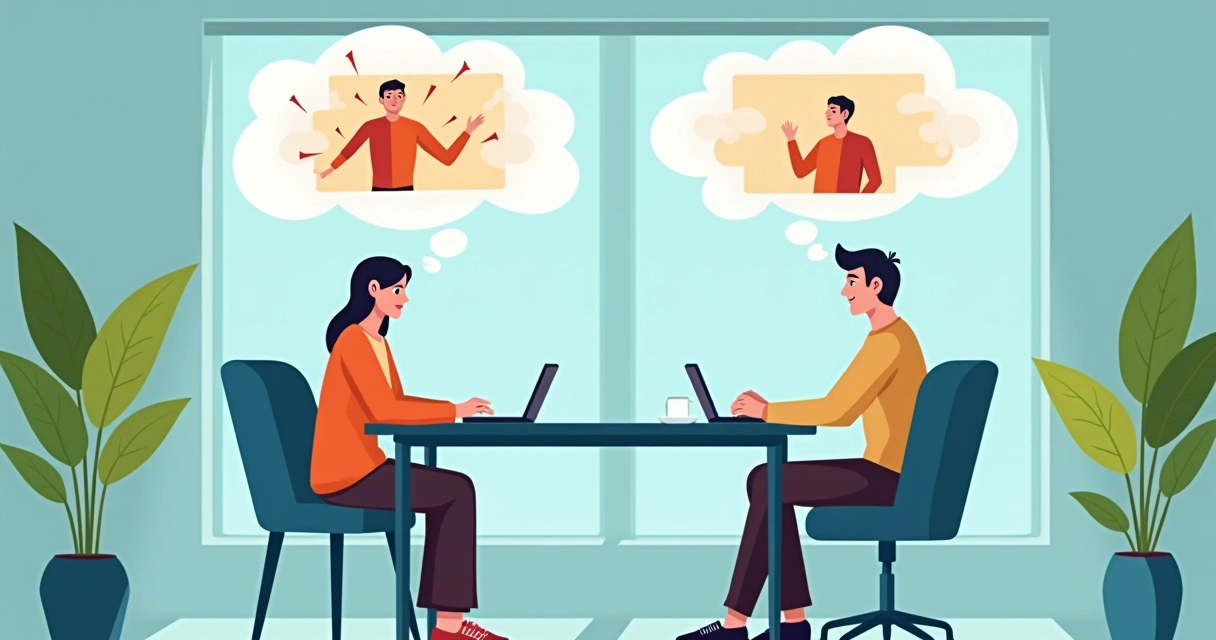
We often assume our emotional response matches reality. But in fact, our minds interpret situations in many ways. Reframing means questioning the automatic story we tell ourselves. For example, if someone interrupts us in a meeting, the old story might be, "They don't respect me." That story brings anger or hurt. But what if we asked:
- Is there another explanation for their behavior?
- Could I be misunderstanding their intent?
- What evidence supports my first thought?
By learning to question our immediate interpretation, we give ourselves permission to choose a new story. This shift can reduce the strength of the emotion, making it easier to respond calmly. Over time, reframing weakens unhelpful reaction patterns and encourages openness.
4. Developing new habits through repetition
Emotional habits are learned behaviors, and like any habit, new ones can be trained through repetition. It's about practicing new responses, even in small, simple ways. For instance, when you notice frustration rising, try taking a deep breath or stepping away for a moment.
- Pair your new response with a cue—a recurring event or feeling you want to change.
- Keep the new behavior simple and achievable. The goal is practice, not perfection.
- Reward yourself mentally for progress, however small it seems.
With regular effort, the brain forms fresh connections. We find that what once felt automatic becomes less frequent and less intense. Given time, the new habit can become our default reaction.
5. Emotional regulation techniques
In our work, we rely on a range of emotional regulation techniques. These are practical tools that help soften the impact of difficult emotions and re-train the nervous system. Some of our favorites include:
- Conscious breathing exercises: slow, deep breaths signal safety and calm to the body.
- Progressive muscle relaxation: relaxes tension and breaks the cycle of stress.
- Visualization: picturing a safe, peaceful place or a positive outcome during intense feelings.
- Gentle movement: short walks or stretching can shift emotional energy and clear the mind.
- Short, guided meditations: these calm the mind and bring balance in the moment.
Practicing regulation tools daily builds resilience and reduces reactivity. The key is consistency, not immediate mastery.

Bringing the five ways together
Reprogramming automatic emotional responses is a process. It is not about suppressing what we feel or pretending negative emotions do not exist. Instead, it means creating space to notice, question, and gradually change our patterns. The path involves observation, understanding triggers, reframing, building new habits, and practicing regulation techniques.
For deeper insight into working with these methods or creating a personalized plan, see our resources on how to reprogram emotional responses for more ideas and support.
Conclusion
Changing automatic emotional responses requires time, patience, and repetition. But every step forward gives us more freedom, better choices, and calmer connections with ourselves and others. Through observation, understanding, new habits, and practical regulation, we can shift old patterns and shape our lives with intention.
Frequently asked questions
What are automatic emotional responses?
Automatic emotional responses are reactions that happen quickly and without conscious thought, triggered by past experiences or learned patterns. They usually occur before we have a chance to consider our options and can influence our behavior, decisions, and relationships.
How can I change my emotional reactions?
To change emotional reactions, we suggest becoming more aware of them through self-observation, identifying triggers, questioning the meaning behind the reaction, practicing new habits, and using tools for calming and regulation. Over time, repetition and conscious effort help create new response patterns.
Is it hard to reprogram emotions?
Changing emotional patterns can be challenging at first, but it is possible with patience and practice. Some people see quick progress, while others need more time. The key is staying consistent and gentle with yourself throughout the process.
How long does it take to see results?
Results vary from person to person. Many notice small improvements within a few weeks of steady practice. For deeper or long-standing emotional responses, it may take a few months or more to feel significant changes. The important thing is regular practice and patience with the process.
What are the best methods to use?
The best methods combine self-observation, identifying triggers, reframing thoughts, developing new habits, and practicing emotional regulation techniques like breathing exercises or gentle movement. Using several techniques together creates the strongest foundation for change and resilience.